
『불설십지거사팔성인경』
K0704
T0092
불설십지거사팔성인경 /전체1권
● 한글대장경 해당부분 열람I
● 한글대장경 해당부분 열람II
○ 통합대장경 사이트 안내
○ 해제[있는경우]
● TTS 음성듣기 안내
※ 이하 부분은 위 대장경 부분에 대해
참조자료를 붙여 자유롭게 연구하는 내용을 적는 공간입니다.
대장경 열람은 위 부분을 참조해주십시오.
● 자료출처 불교학술원 기금 후원안내페이지
불기2569-07-26 -- 뽑혀진 대장경 내용 연구
내용 이해가 쉽도록 위 사이트 원 번역문 내용을 단문형태로 끊어 표현을 바꿔 기재한다.
다만, 여건상 일부분만 살피는 경우가 많다.
따라서 작업중 파일을 별도로 만든다.
그리고 클라우드 드라이브 폴더에 보관한다.
그리고 이후 계속 수정보완해가기로 한다.
그리고 완료되면 본 페이지에 직접 붙여나가기로 한다.
작업중인 파일은 다음 폴더 안에서 K0704_T0092_in 파일을 참조하면 된다.
https://drive.google.com
●차후 링크가 변경되어 연결되지 않을 때는 다음 페이지 안내를 참조한다.
buddhism0077
『불설십지거사팔성인경』
♣0704-001♧
불설십지거사팔성인경 /전체1권
♥아래는 현재 작성 및 정리 중인 미완성 상태의 글입니다♥
[페이지 내용 업데이트 관련 안내]
❋본문
◎[개별논의]
○ [pt op tr]
[#M_▶더보기|◀접기|

○2019_1106_111730_nikon_fix▾화순 영구산 운주사

○2019_1106_130833_canon_exc▾화순 영구산 운주사

○2019_1105_162352_canon_exc▾순천 조계산 송광사
○2019_1201_150139_nikon_fix▾원주 구룡사
○2020_0906_114619_nikon_ori_rs▾천축산 불영사
○2020_0908_172548_canon_ori_rs▾합천 해인사 백련암

○2020_0910_182458_nikon_ori_rs▾제천 월악산 신륵사
○2020_0911_115639_nikon_ori_rs▾제천 의림지 대도사

○2019_1104_101253_canon_exc_s12▾구례 화엄사

○2021_0215_152621_nikon_exc▾안성_칠현산_칠장사

○2014_0407_125439_nikon_exc▾완주_송광사

○2020_0228_173352_canon_exc▾서울_북한산_화계사

○2021_1007_145511_nikon_exc▾부안_능가산_내소사

○2022_0131_163205_canon_exc▾논산_천호산_개태사

○2021_0214_130055_nikon_exc▾춘천_오봉산_청평사

○2021_1003_105445_nikon_exc▾밀양_재악산_표충사

○2016_0505_122200_nikon_exc▾춘천_오봉산_청평사

○2021_1006_112559_nikon_exc▾해남_봉화산_대흥사

○2021_0215_150958_nikon_exc▾안성_칠현산_칠장사
● [pt op tr] fr
_M#]

○2020_0904_140042_canon_ori_rs▾원주 구룡사
❋❋본문 ♥
◎[개별논의]
★%★
『불설십지거사팔성인경』
♣0704-001♧
불설십지거사팔성인경 해제 (있는 경우)
불설십지거사팔성인경 001권 요점 핵심

◎◎[개별논의] ♥ ❋본문
★1★
◆vvae7589
| ◈Lab value 202102151509 |
|
♥단상♥ |
|
문서정보 ori https://buddhism0077.blogspot.com/2025/07/k0704-001.html#7589 sfed--불설십지거사팔성인경_K0704_T0092.txt ☞불설십지거사팔성인경 /전체1권 sfd8--불교단상_2569_07.txt ☞◆vvae7589 불기2569-07-26 θθ |



■ 퀴즈
불설십지거사팔성인경_001
범토 천축이란 뜻. 인도를 가리키는 말.
답 후보
● 범천(梵天)
법교(法敎)
법무거래종(法無去來宗)
법밀부(法密部)
법상자(法上資)
법성수연(法性隨緣)
법식시(法食時)
ॐ मणि पद्मे हूँ
○ [pt op tr]
[#M_▶더보기|◀접기|
■ 음악
Caroline Moreau - Johnny Tu N'es Pas Un Ange
Pierre Perret - Bercy Madeleine
Barbara - La Pavane Des Patronages
Charles Aznavour - The Painted Child (L'enfant Maquille)
Raphaël Petite annonce
Antoine Henaut - Quelqu'un De Bien
Georges Brassens - Il N'y A Pas D'amour Heureux
■ 시사, 퀴즈, 유머
뉴스
퀴즈
퀴즈2
유머
■ 한자 파자 넌센스 퀴즈
051▲ 皮疋必玄穴 ■ 피필필현혈 51 (가죽 피 )(짝 필/ 발 소, 바를 아 )( 반드시 필 )(검을 현 / 오묘하다( 奧妙--) 심오하다( 深奧--), ) (구멍 혈 / 굴 휼 )
012▲ 宀凡士巳三 ■ 면범사사삼 12ㅡ 집에서 평범한 선비가 머물면 뱀과 같은 지혜가 3개나 생겨난다. ( 집 면 [사방이 지붕으로 덮어 씌워져 있는 집] 갓머리( 부수( 部首)의 하나) )( 무릇 범 )( 선비 사 )( 뱀 사 )( 석 삼 ) 재춘법한자
【 】 ⇄✙➠
일본어글자-발음
중국어글자-발음
■ 영어단어 넌센스퀴즈- 예문 자신상황에 맞게 바꿔 짧은글짓기
■ 번역퀴즈
번역
번역연습(기계적 번역내용 오류수정 연습)
■ 영-중-일-범-팔-불어 관련-퀴즈
[wiki-bud] Amara Sinha
[san-chn] pañcânāgāminaḥ 五種阿那含
[san-eng] mahādoṣāt.h $ 범어 from the great defects, wrongs
[pali-chn] yakkha 夜叉
[pal-eng] pasavi $ 팔리어 aor. of pasavatibrought forth; gave birth to; flowed; accumulated.
[Eng-Ch-Eng] 六法 (1) Six dharmas that practioner are to be mindful of: the Buddha 佛, dharma 法, sangha 僧, precepts 戒, donation 施, and the gods 天. (2) The six precepts that are to be kept by the /siks!ama^n!a^s 式叉摩那. 【參照: 六法事】
[Muller-jpn-Eng] 二十部 ニジュウブ twenty nikāya schools
[Glossary_of_Buddhism-Eng] MIND☞
See also: Intellect; Mind-Created; Mind-Ground; Stanza that
Destroys Hell; Ten Non-seeking Practices; Thoughts.
“Key concept in all Buddhist teaching. Frequent term in Zen, used
in two senses: (1) the mind-ground, the One Mind … the Buddhamind, the mind of thusness … (2) false mind, the ordinary mind
dominated by conditioning, desire, aversion, ignorance, and a false
sense of self, the mind of delusion …” (J. C. Cleary)
The ordinary, deluded mind (thought) includes feelings, impressions,
conceptions, consciousness, etc. The Self-Nature True Mind is the
fundamental nature, the Original Face, reality, the “undiscriminating mind” etc. As an analogy, the Self-Nature True Mind is to mind
what water is to waves – the two cannot be dissociated. They are
the same but they are also different. To approach the sutras “making
discriminations and nurturing attachments” is no different from the
Zen allegory of a person attempting to lift a chair while seated on it. If
he would only get off the chair, he could raise it easily. Similarly, the
practitioner truly understands the Dharma only to the extent that he
“suspends the operation of the discriminating intellect, the faculty of
the internal dialogue through which people from moment to moment
define and perpetuate their customary world of perception.”
(I) Mind creating all dharmas
The teaching of the Mind “creating” sentient beings and the environment expressed in many Mahayana sutras such as the Avatamsaka,
Surangama and Lotus Sutras, is epitomized in the following stanza:
“If one wishes to understand fully / All Buddhas of all time, / He
should contemplate the nature of the Dharma Realm / Everything is
made from Mind alone” (Avatamsaka Sutra, Ch. 20).
“One wholesome thought is the condition / for the creation of the
Buddha-lands; / One errant thought / is the very cause of the nine
realms of Samsara.”
“This does not mean creation in the sense of creating something out
of nothing. This doctrine means that, practically speaking, the world
only ‘exists’ as such because of our awareness, and that what we take
to be the world in itself is our experience and inference based thereon.
The conceptual order which is taken to be characteristic of objective reality is, according to this doctrine, a projection of the mind, a
description that filters and shapes experience in accord with mental
habits developed throughout the history of the species, the civilization, and the individual” (T. Cleary, The Flower Ornament Scripture
[the Avatamsaka Sutra], Vol. I, p.23).
“The mind… ‘creates’ the world in the sense that it invests the phenomenal world with value. The remedy to this situation, according to
Buddhism, is to still and calm the mind, to stop it from making discriminations and nurturing attachments toward certain phenomena
and feelings of aversion toward others. When this state of calmness of
mind is achieved, the darkness of ignorance and passion will be dispelled and the mind can perceive the underlying unity of the absolute.
The individual will then have achieved the state of enlightenment and
will be freed from the cycle of birth and death, because such a person
is now totally above them both.” (Burton Watson, The Zen Teachings
of Master Lin-Chi.)
“In what way can our minds change the environment for the better?
Take the case of a person who has performed evil deeds and should
be condemned to the sufferings of the hells for untold eons. Suppose
that individual suddenly becomes extremely frightened and utterly
ashamed, develops the Bodhi Mind, changes his ways, recites sutras
and the Buddha’s name, cultivates personally and enjoins others to
do likewise, seeking rebirth in the Pure Land. Thanks to this change
of heart, the previous karma of hell is dissipated and transmuted into
a lesser karma in the current lifetime. Thus, for example, he may be
subject to contempt by others, suffer a bout of illness, become destitute
or meet with unhappy events. After enduring such minor retribution,
that person may escape Birth and Death and enter the ‘stream of the
sages,’ transcending the ordinary world. As the Diamond Sutra states:
If there is anyone who receives and keeps this Sutra but is maligned by
others, such a person has created evil karma in previous lifetimes and
should have descended upon the Evil Paths. As a result of this calumny,
however, his past karma is instantly extinguished and he will attain
Supreme Enlightenment. This is precisely the meaning of the mind
changing life and the environment for the better.”
“The wind was making the temple flag flutter. There were two monks
arguing. One said the flag was moving. One said the wind was moving. They argued back and forth without reaching the truth. The
Sixth Patriarch said to them, ‘It is not the wind moving, and it is not
the flag moving. It is your minds that are moving.’ The two monks
were startled.” (J. C. Cleary, Meditating with Koans, p.124.)
“The Buddha said: ‘There was once someone who, plagued by ceaseless sexual desire, wished to castrate himself. The Buddha said to
him, ‘To cut off your sexual organs would not be as good as to ‘cut
off your mind. Your mind is like a supervisor: if the supervisor stops,
his employees will also quit. If the deviant mind is not stopped, what
good does it do to cut off the organs?’ ”
Illustrative story:
“There was once a Zen monk who practiced in a deserted mountain
area. Lonely and isolated, he had a deluded thought, wishing to have
some fellow-cultivators practicing along with him to make life more
bearable. Immediately, an old woman appeared from nowhere, leading two beautiful young girls by the hand, who, she said, lived in
the village down in the valley. They had come, they claimed, to seek
guidance in the Way. The monk, unsuspicious, immediately gave a
Dharma talk to the group. One day, after many such visits over a
period of time, the old woman respectfully requested that the two
girls be allowed to become attendants to the monk and relieve him
of his daily chores. The monk, hearing this, became suspicious. He
reprimanded the old woman severely and refused the offer. The three
women left, apparently angry and ashamed.
The monk, intrigued, followed them discreetly until they disappeared
around a bend in the road. When he reached the spot, he found it
was a dead end with no habitation or anything else around, except for
three very old trees, one big tree and two smaller ones. He thought it
over and realized that he had been ‘tested.’ A fleeting thought occurred to him, that he should cut down the trees, start a bonfire, and burn
them to the ground. At that moment, the three women reappeared,
repentant, begging him to forgive them and spare their lives.
Therefore, the cultivator should remember: when the mind is still, all
realms are calm; when delusion arises, demons are born.”
(II) Introspection required
The purpose of the Dharma is not to “feed” the mind but to calm it
and rein it in. The monkey mind has to be brought back to its tree
for samadhi and, ultimately, wisdom to be achieved. The discriminating, intellectual mind, so prized in everyday life, may assist in the
initial understanding of the Dharma but it must be transcended and
is certainly no substitute for practice. To approach the sutras with a
discriminating mind is no different from the Zen allegory of a person
attempting to lift a chair while seated on it.
“Once it is clear, however, that the problem lies in the mind itself, or
rather in the emotions that arise there, the simple but difficult task is
to become aware of how thoughts emerge and develop. Again we find
the same note of practical optimism. Just as the mind is the source of
every suffering, likewise it is the wellspring of every joy. And once again,
the good news is that the mind can be controlled and trained. ‘If, with
mindfulness rope,/ The elephant of the mind is tethered all around, / Our
fears will come to nothing, / Every virtue drop into our hands.’ The essential problem, which a moment’s reflection on experience will confirm,
is not that defilements occur within our minds, but that nine times
out of ten, we are not aware that they are there. Or rather, that by the
time they obtrude upon our waking consciousness, they have usually
acquired such dimensions and strength that in the ordinary run of
things we are powerless to prevent their consequences. The sudden
outburst of destructive anger, the lustful impulse, the cruel or arrogant word that can have life-changing consequences, must have had
their source, perhaps a long time previously, in a momentary flash of
impatience or desire that, had it been addressed to at the time, might
easily have been neutralized and dispelled. All very well, but how precisely is one to become so perfectly self-possessed that no impulse of
the mind, however slight, is able to pass unnoticed? Alas, there are
no magical solutions. The technique prescribed by Shantideva is that
of constant, unrelenting vigilance – a continuous advertence to what
is happening within the inner forum. He says that we should guard
our minds with the same care with which we would protect a broken
or wounded arm while moving through an unruly crowd; and here
again, the educative methods of fear and encouragement have their
place. Shantideva recommends that as soon as we feel the urge to
do anything – to speak or even to walk across the room – we should
get into the habit of self-scrutiny. The slightest impulses to negativity should be greeted with a total paralysis of the system: ‘It’s then
that like a log you should remain.’ No thought should be allowed
to develop unchallenged into action. Given the required degree of
self-awareness, it comes as no surprise that Shantideva should refer
to the minutiae of everyday behavior – all the little things we habitually overlook, excusing ourselves with the thought that they are too
insignificant to bother about. In such a practice, in fact, it is precisely
the small, practically subliminal impulses and behavior patterns that
require the closest attention.”
Note: In the Sutra in 42 Sections, the Buddha taught: “Do not trust
your mind, only when you have become an Arhat (a sage) can you
trust it.” Since most of us have not achieved sagehood, the cardinal
rule is to keep the mind under constant control and avoid situations
where greed, anger, and delusion may arise.
Editor: na #2352
[fra-eng] encours $ 불어 incur
[chn_eng_soothil] 塵境 The environment of the six guṇas or qualities of sight, sound, smell, taste, touch, and thought.
[vajracchedikā prajñāpāramitā sūtraṁ] ▼●[羅什] 何以故? 若取非法相, 卽着我人衆生壽者.
무슨 까닭인가 하면, 비법상에 걸리더라도 아상、인상、중생상、수자상에 집착
되기 때문이니라.
[玄奘] 若有非法想轉, 彼亦應有我執、有情執、命者執、補特伽羅等執.
[義淨] 若有非法想, 彼亦有我執、有情執、壽者執、更求趣執.
06-13 सचेदधर्मसंज्ञा प्रवर्तेत, स एव तेषामात्मग्राहो भवेत्, सत्त्वग्राहो जीवग्राहः पुद्गलग्राह इति।
sacedadharmasaṁjñā pravarteta | sa eva teṣāmātmagrāho bhavet |
sattvagrāho jīvagrāhaḥ pudgalagrāha iti |
만약 법이 아닌 것에 대한 산냐가 생겨날 수 있다면 그것은 오직 그들에게 있어서
자아에 대한 집착이 될 것이며 중생에 대한 집착、 영혼에 대한 집착、 개체아에 대한
집착이 될 것이다.
▼▷[sacedadharmasaṁjñā] ① sacet(ƺ.) + a|dharma+saṁjñā(Ʒ.nom.) → [만약、 법이 아닌
것에 대한 산냐가]
▼[pravarteta] ① pravarteta(pot.Ⅲ.sg.) → [생겨날 수 있다. → 생겨날 수 있다면,]
② pravṛt(1.Ʋ. to go forward, proceed; to arise, be produced; to happen, take place)
▼▷[sa] ① saḥ(ƾ.nom.) → [그것은]
▼[eva] ① eva(ƺ.) → [오직]
▼[teṣāmātmagrāho] ① teṣām(pn.ƾ.gen.pl.) + ātma+grāhaḥ(ƾ.nom.) → [그들에게
있어서、 자아에 대한 집착이]
▼[bhavet] ① bhavet(pot.Ⅲ.sg.) → [될 것이다. → 될 것이며,]
▼▷[sattvagrāho] ① sattva+grāhaḥ(ƾ.nom.) → [중생에 대한 집착이]
▼[jīvagrāhaḥ] ① jīva+grāhaḥ(ƾ.nom.) → [영혼에 대한 집착이]
▼[pudgalagrāha] ① pudgala+grāhaḥ(ƾ.nom.) → [개체아에 대한 집착이 (될 것이다)]
▼[iti] ① iti(ƺ.) → [라고.]
출처 봉선사_범어연구소_현진스님_금강경_범어강의
『능단금강반야바라밀다경』(能斷金剛般若波羅密多經) - 범어 텍스트 vajracchedikā prajñāpāramitā sūtraṁ
♣K0116-001♧
♣K0117-001♧
■ 삼매_게송퀴즈
■ 오늘의 게송
[207일째]
피제법지불가설 $ 078▲娑攞荼娑攞荼為 一 ● 謎魯陀, ○□□□□,彼,彼,彼,彼
□□□□□□□, 彼淨法輪不可說,
彼大法雲不可說, 彼大法雨不可說,
□□□□□□□, 피정법륜불가설,
피대법운불가설, 피대법우불가설,
彼諸法智不可說,
저 여러 법의 지혜 말할 수 없고
깨끗한 법 바퀴도 말할 수 없고
저렇게 큰 법 구름을 말할 수 없고
저렇게 큰 법 비도 말할 수 없고
[212째]
료지중생불가설 $ 083▲阿野娑阿野娑為 一 ● 迦麼羅, ○□□□□,知,知,知,知
□□□□□□□, 知其種性不可說,
知其業報不可說, 知其心行不可說,
□□□□□□□, 지기종성불가설,
지기업보불가설, 지기심행불가설,
了知眾生不可說,
중생을 잘 알음도 말할 수 없고
그 종성을 아는 것도 말할 수 없고
그 업보(業報) 아는 것도 말할 수 없고
마음과 행 아는 것도 말할 수 없고
●K0756_T0138.txt★ ∴≪A불설십일상사념여래경≫_≪K0756≫_≪T0138≫
●K0704_T0092.txt★ ∴≪A불설십지거사팔성인경≫_≪K0704≫_≪T0092≫
●K1388_T0287.txt★ ∴≪A불설십지경≫_≪K1388≫_≪T0287≫
■ 암산퀴즈
686* 63
152040 / 543
■ 다라니퀴즈
구족수화길상광명대기명주총지 12 번째는?
불정광취실달다반달라비밀가타미묘장구(佛頂光聚悉怛多般怛羅秘密伽陁微妙章句) 300 번대 10개 다라니는?
부처님 108 명호 99 번째는?
12 청정한 계(戒)를 증장시키며,
사뎨 닐아라참포, 薩帝<丁斯反>昵<泥吉反>訶羅讖蒱<十二>
satya nir-hara ksam bhu,
말법시대의 지장
『대승대집지장십륜경』
♣0057-001♧
300 살바건달바볘바 ◐薩皤乾闥婆弊泮<一切音樂神三百>◑sarvaㆍgandharvebhyaḥ phaṭ
301 살바아소라볘바 ◐薩皤阿素囉弊泮<三百一>◑sarva asurebhyaḥ phaṭ
302 살바아로다볘바 302) ◐302k薩皤揭嚕茶弊泮<三百二>◑sarva garuḍebhyaḥ phaṭ
303 살바긴나라볘바 ◐薩皤緊那羅弊泮<三百三>◑sarva kinnarebhyaḥ phaṭ
304 살바마호라가볘바 ◐薩皤摩護囉伽弊泮<三百四>◑sarva mahoragebhyaḥ phaṭ
305 살바라샤사볘바 ◐薩皤囉剎莎弊泮<三百五>◑sarva rākshebhyaḥ phaṭ
306 살바마로려볘바 ◐薩皤摩努曬弊泮<三百六>◑sarva manushebhyaḥ phaṭ
307 살바아마노려볘바 ◐薩皤阿摩努曬弊泮<三百七>◑sarva amanushebhyaḥ phaṭ
308 살바보다나볘바 ◐薩皤布單那弊泮<三百八>◑sarva pūtanebhyaḥ phaṭ
309 살바가타보다나볘바 ◐薩皤迦咤布丹那弊泮<三百><九>◑sarva kaṭa-pūtanebhyaḥ phaṭ
●가령 무간지옥(無間地獄)에 떨어질 5역중죄(逆重罪)를 지었거나
모든 비구 비구니의 4바라이죄[四棄]와
8바라이죄[八棄]를 범했을지라도,
이 주문을 외우고 나면
이러한 무거운 업도
사나운 바람이 모래더미를 불어
흩어버리듯 모두 다 사라져서
털끝만큼도 남기지 않느니라.
불정광취실달다반달라비밀가타미묘장구(佛頂光聚悉怛多般怛羅秘密伽陁微妙章句) - 『대불정여래밀인수증요의제보살만행수능엄경』
♣K0426-007♧
099
사람 중의 사자이시며 상서로운 구름과 같으신 이께 귀의합니다.
南無人師子吉祥雲
『불일백팔명찬』佛一百八名讚
♣1183-001♧
43218
280
법수_암기방안
30 발목 [ankle]
78 *무지 (~ 엄지)
83 장딴지근
12 팔꿉 [elbow]
99 무명 (~네째) 발가락 [ 신조어 ]
7 갈비 【협】
■ 오늘의 경전 [이야기, 게송,선시 등]
https://terms.naver.com/entry.nhn?docId=899775&cid=50763&categoryId=50784
■요가자세 익히기
요가_다리 꼬아서 다리 자세
●세계사이트방문일자: 불기 2568-11-26-화
♡Beomeosa Korea
♡부산 범어사
[구글맵 사진 https://maps.app.goo.gl
[구글맵 https://maps.app.goo.gl
[위키 https://en.wikipedia.org
[동영상 Beomeosa Temple, Busan, South Korea 4K
https://youtu.be
002 아라하뎨삼먁삼몯다야 ◐阿囉訶帝三藐三菩陁耶<歸命一切如來應正等覺二>◑arhate samyaksaṃbuddhāsya//

○2019_0113_111035_nikon_Ab31
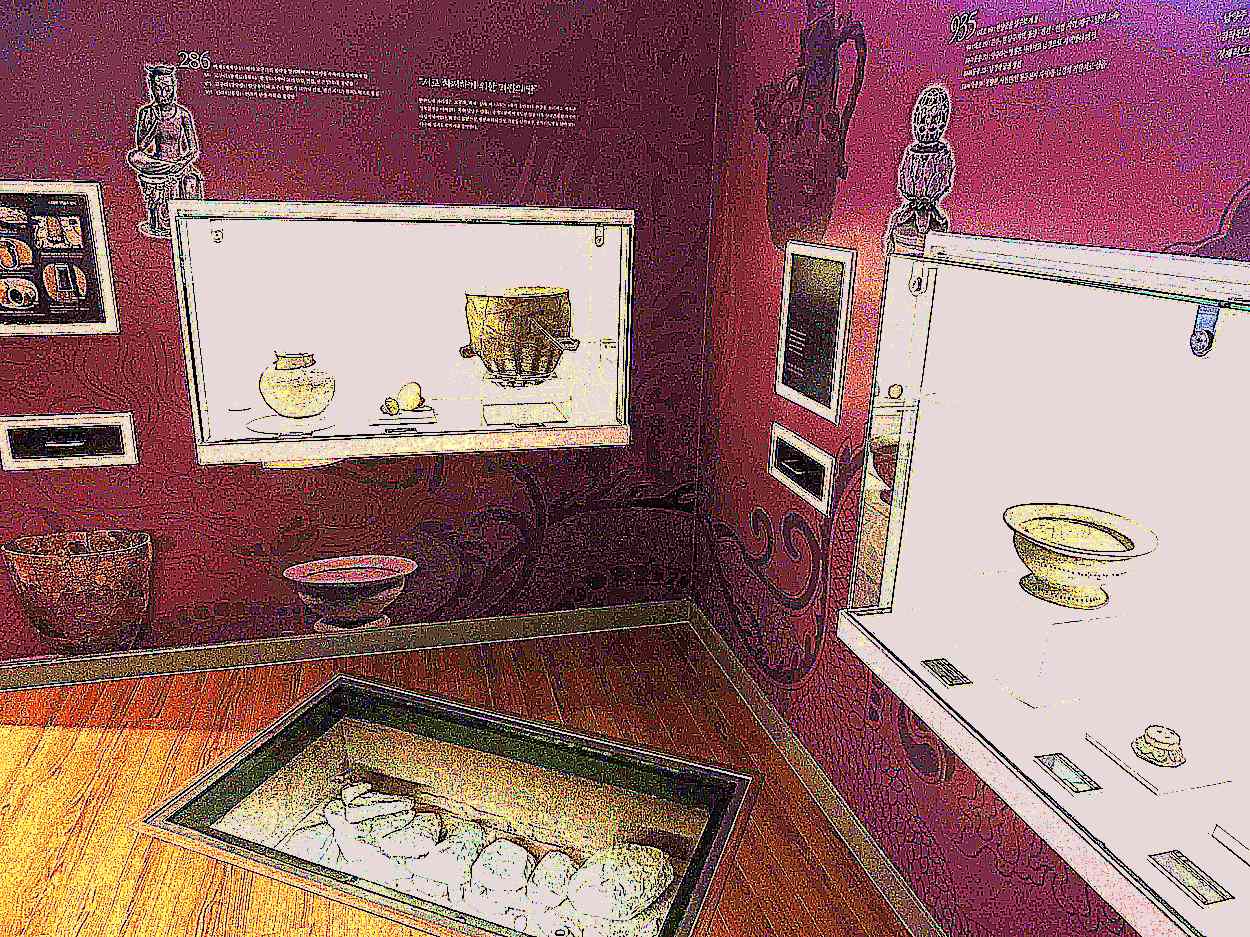
○2019_0113_111242_nikon_CT27

○2019_0113_132836_nikon_Ab35

○2019_0113_133313_nikon_BW25_s12

○2019_0113_133323_nikon_CT28

○2019_0113_140555_nikon_Ab31
○2019_0801_080905_canon_bw4_s12

○2019_0801_091316_nikon_Ab31

○2020_1125_125406_nikon_ar24

○2020_1125_135603_canon_bw4_s12

○2020_1125_144422_nikon_ct4

○2020_1125_154943_nikon_Ar37_s12

○2022_1108_113447_canon_AR35_s12

○2022_1108_115441_canon_CT27

○2023_0223_145038_nikon_ct35

○2022_1108_110152_canon_Ar26_s12
● [pt op tr] fr
_M#]

○2024_0321_151330_canon_ab30_s12
™善現智福 키워드 연결 페이지
https://buddhism0077.blogspot.com/2020/06/keyword.html
○ [pt op tr]
● 불설십지거사팔성인경_K0704_T0092 [문서정보]- 일일단상키워드
[#M_▶더보기|◀접기|
[관련키워드]
불설십지거사팔성인경 /전체1권
■ 본 페이지 ID 정보
불설십지거사팔성인경-K0704-001
https://buddhism0077.blogspot.com/2025/07/k0704-001.html
sfed--불설십지거사팔성인경_K0704_T0092.txt ☞불설십지거사팔성인경 /전체1권
sfd8--불교단상_2569_07.txt ☞◆vvae7589
불기2569-07-26
https://blog.naver.com/thebest007/223954358300
https://buddhism007.tistory.com
https://essay007.tistory.com/909
htmback--불기2569-07-26_불설십지거사팔성인경_K0704_T0092-tis.htm
● [pt op tr] fr
_M#]
댓글 없음:
댓글 쓰기
What do you think is the most important?
Do you know why this is the most important?