『부법장인연전』
K0990
T2058
부법장인연전 제1권/전체6권
● 한글대장경 해당부분 열람I
● 한글대장경 해당부분 열람II
○ 통합대장경 사이트 안내
○ 해제[있는경우]
● TTS 음성듣기 안내
※ 이하 부분은 위 대장경 부분에 대해
참조자료를 붙여 자유롭게 연구하는 내용을 적는 공간입니다.
대장경 열람은 위 부분을 참조해주십시오.
●
자료출처 불교학술원 기금 후원안내페이지
불기2569-12-03 -- 뽑혀진 대장경 내용 연구
내용 이해가 쉽도록 위 사이트 원 번역문 내용을 단문형태로 끊어 표현을 바꿔 기재한다.
다만, 여건상 일부분만 살피는 경우가 많다.
따라서 작업중 파일을 별도로 만든다.
그리고 클라우드 드라이브 폴더에 보관한다.
그리고 이후 계속 수정보완해가기로 한다.
그리고 완료되면 본 페이지에 직접 붙여나가기로 한다.
작업중인 파일은 다음 폴더 안에서 K0990_T2058_in 파일을 참조하면 된다.
https://drive.google.com
●차후 링크가 변경되어 연결되지 않을 때는 다음 페이지 안내를 참조한다.
buddhism0077
『부법장인연전』
♣0990-001♧
♥아래는 현재 작성 및 정리 중인 미완성 상태의 글입니다♥
[페이지 내용 업데이트 관련 안내]
❋본문
◎[개별논의]
○ [pt op tr]
[#M_▶더보기|◀접기|
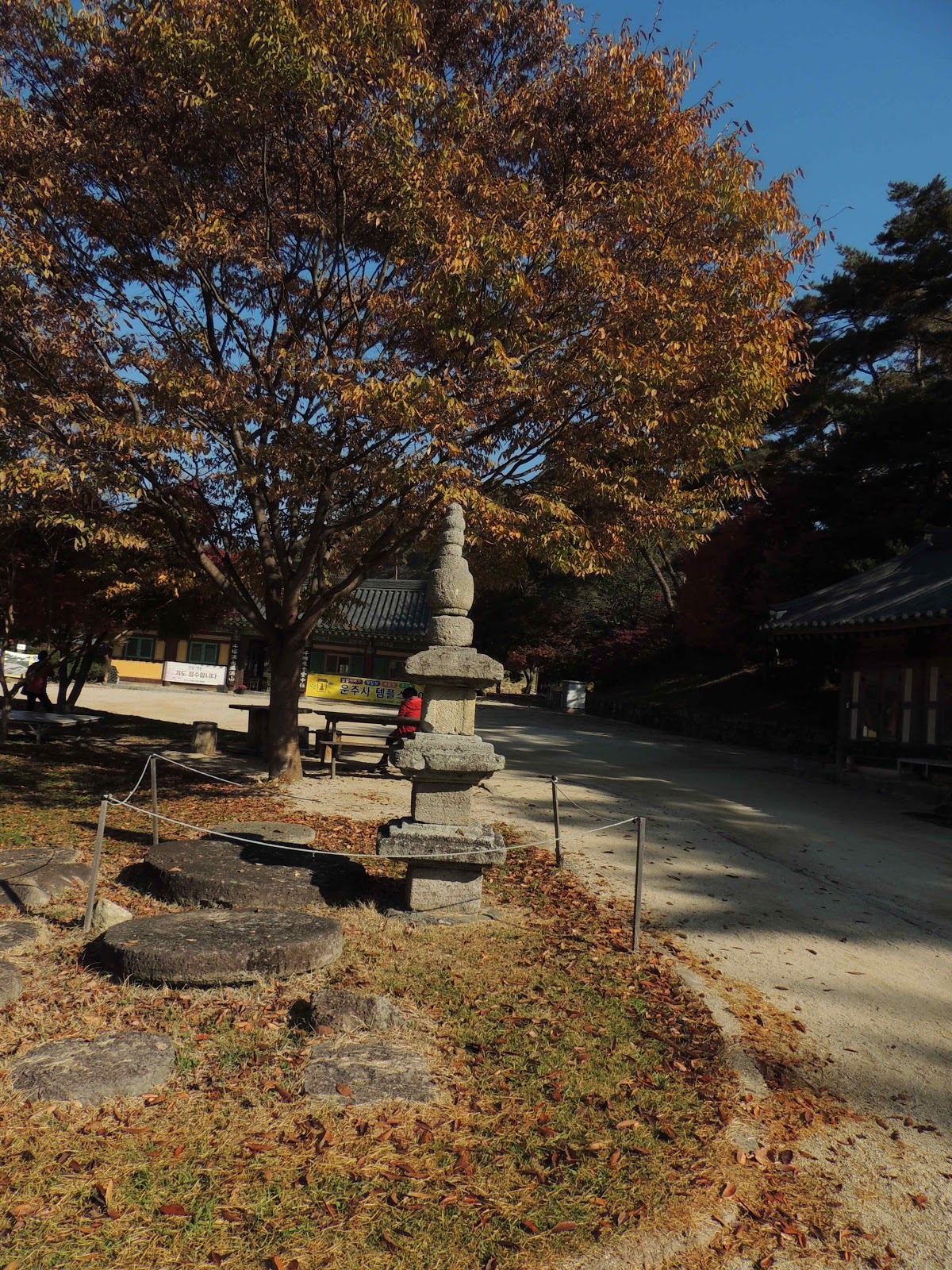
○2019_1106_103331_nikon_fix▾화순 영구산 운주사
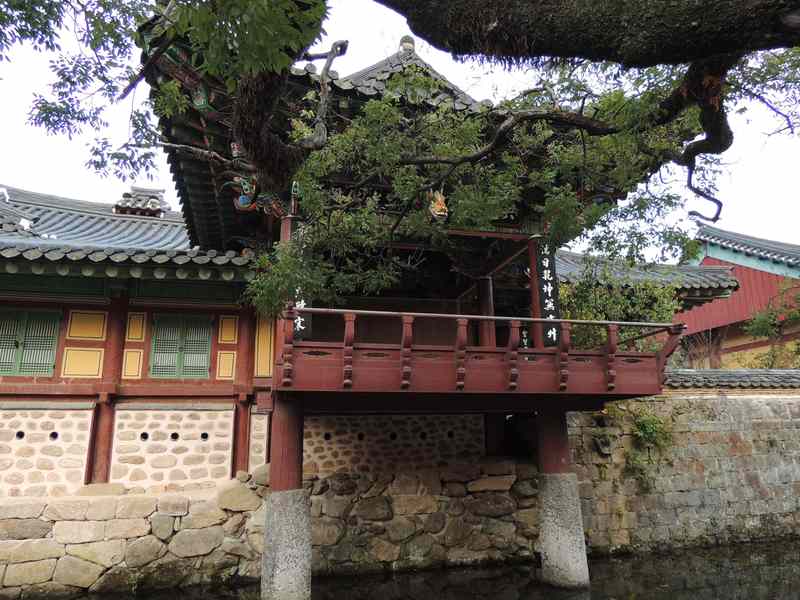
○2019_1105_164559_nikon_exc_s12▾순천 조계산 송광사

○2019_1105_155935_canon_fix▾순천 조계산 송광사
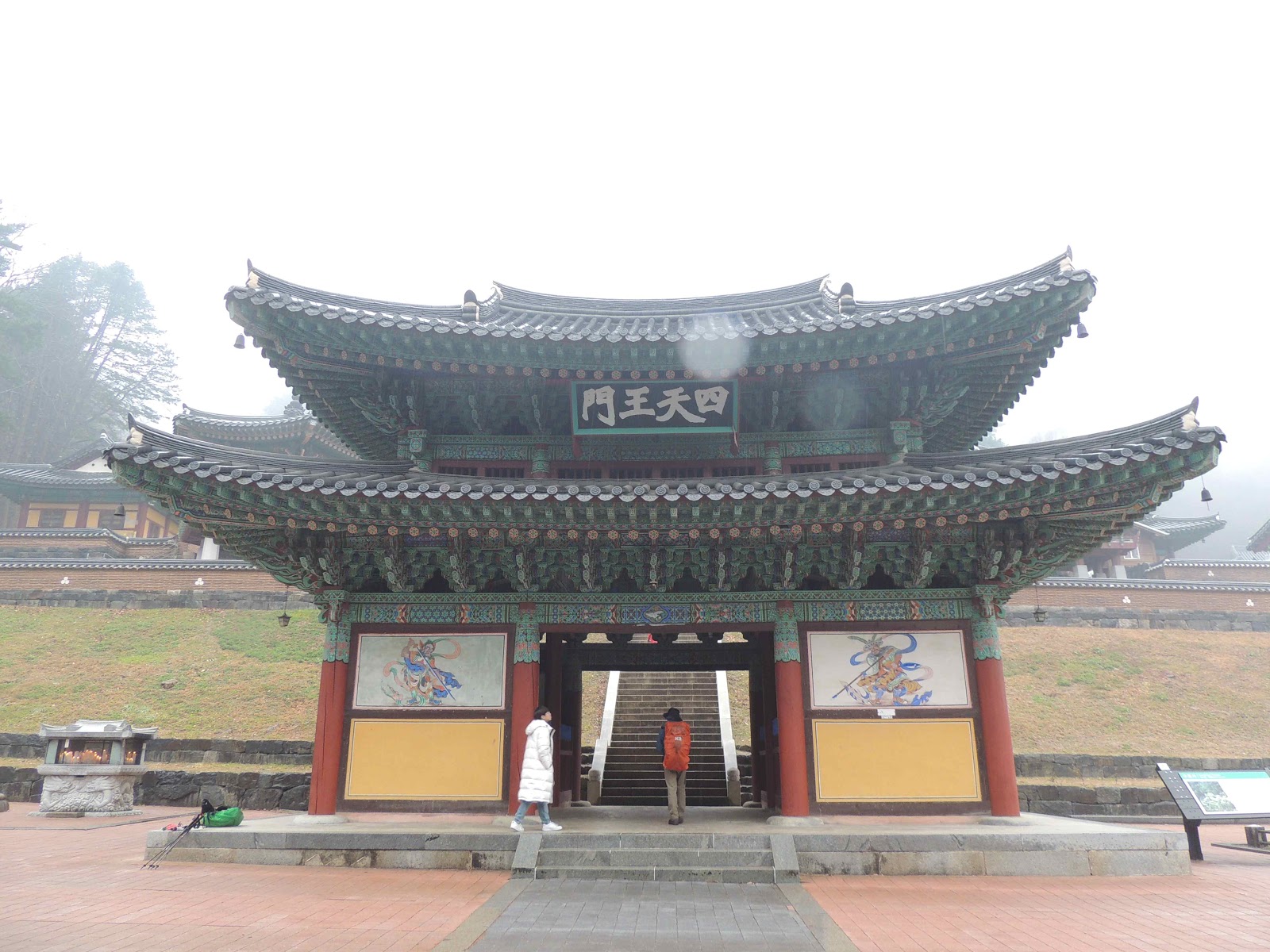
○2019_1201_153934_nikon_fix▾원주 구룡사
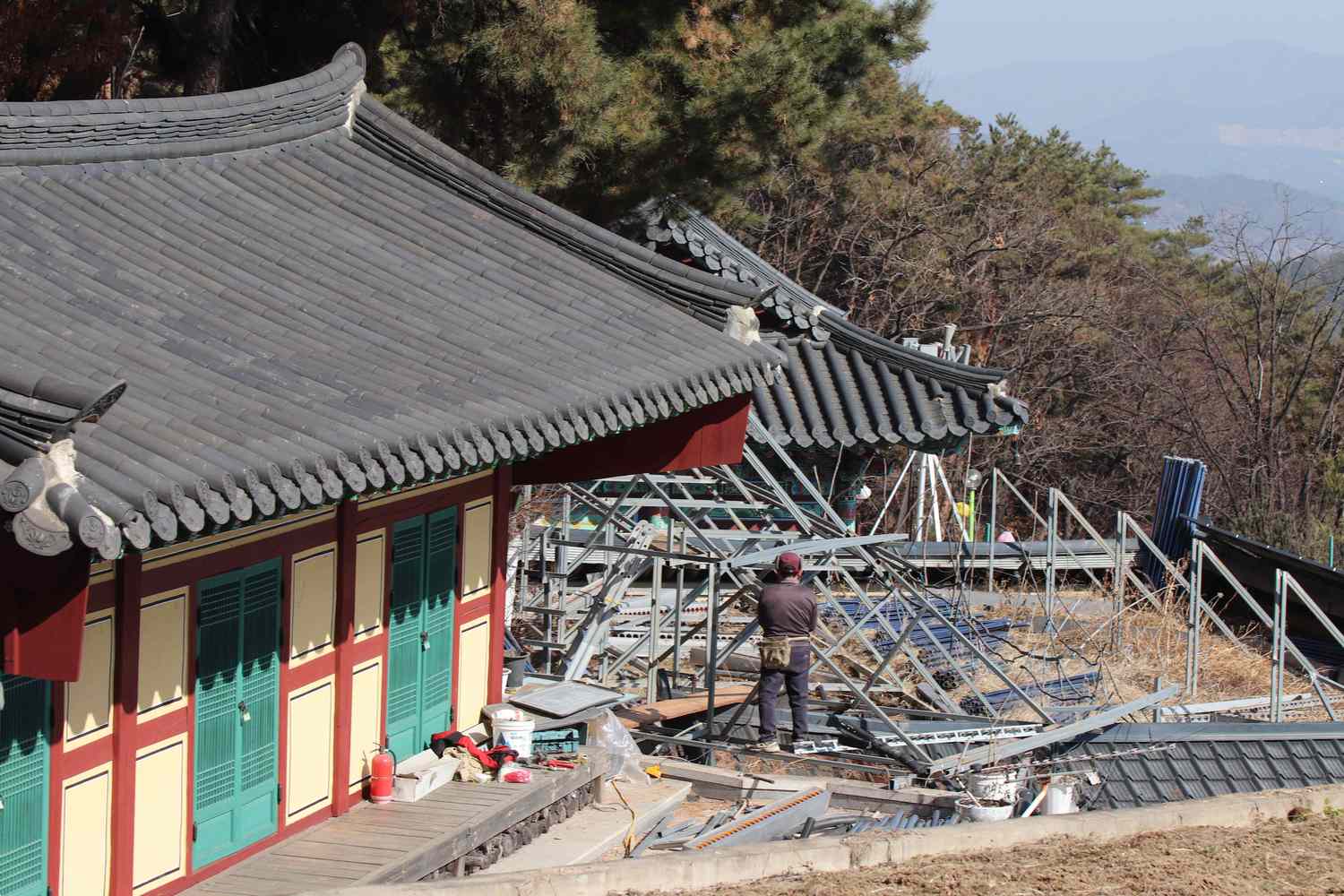
○2020_0211_134356_canon_exc▾불암산 천보사
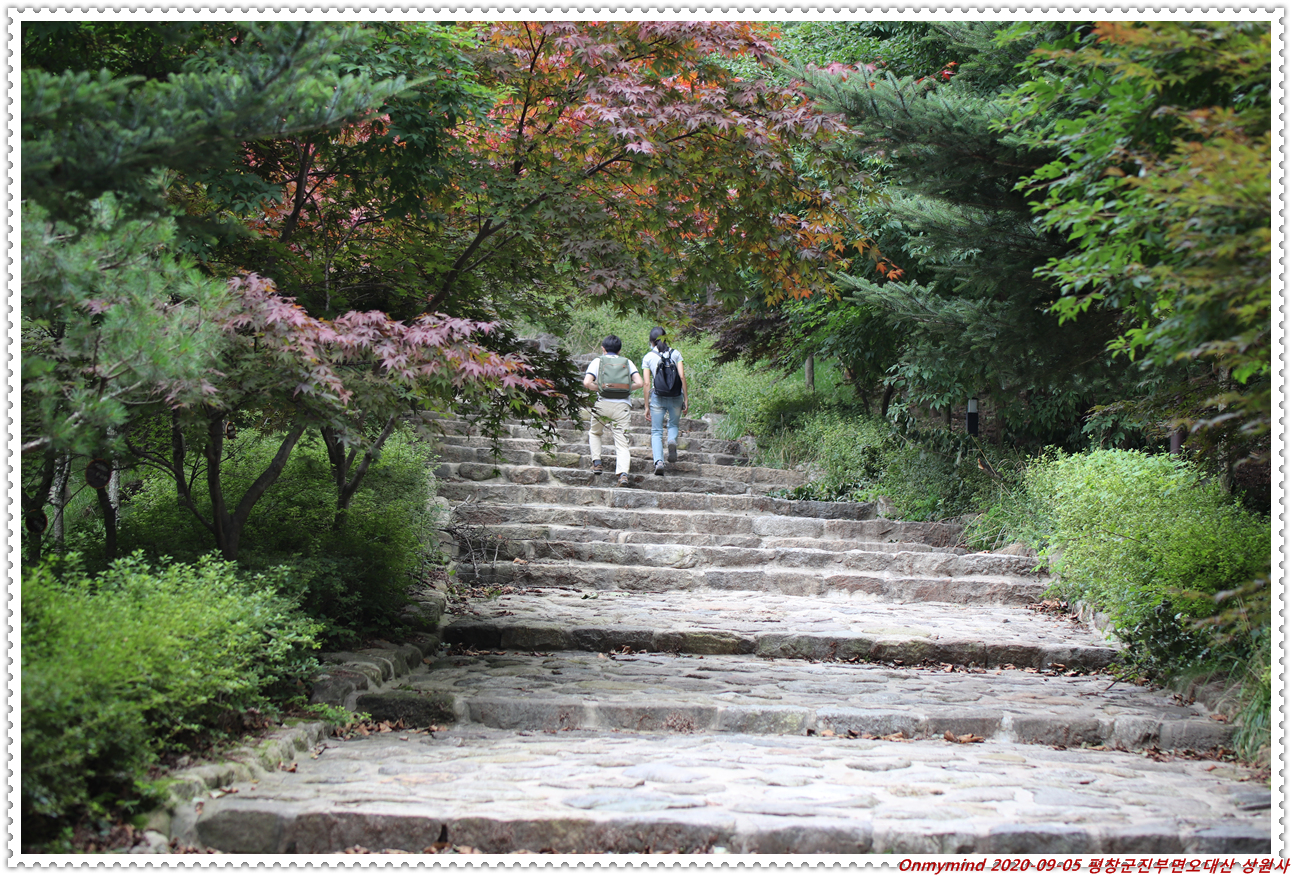
○2020_0905_133459_canon_ori_rs▾오대산 상원사

○2020_1017_154816_canon_exc▾삼각산 화계사
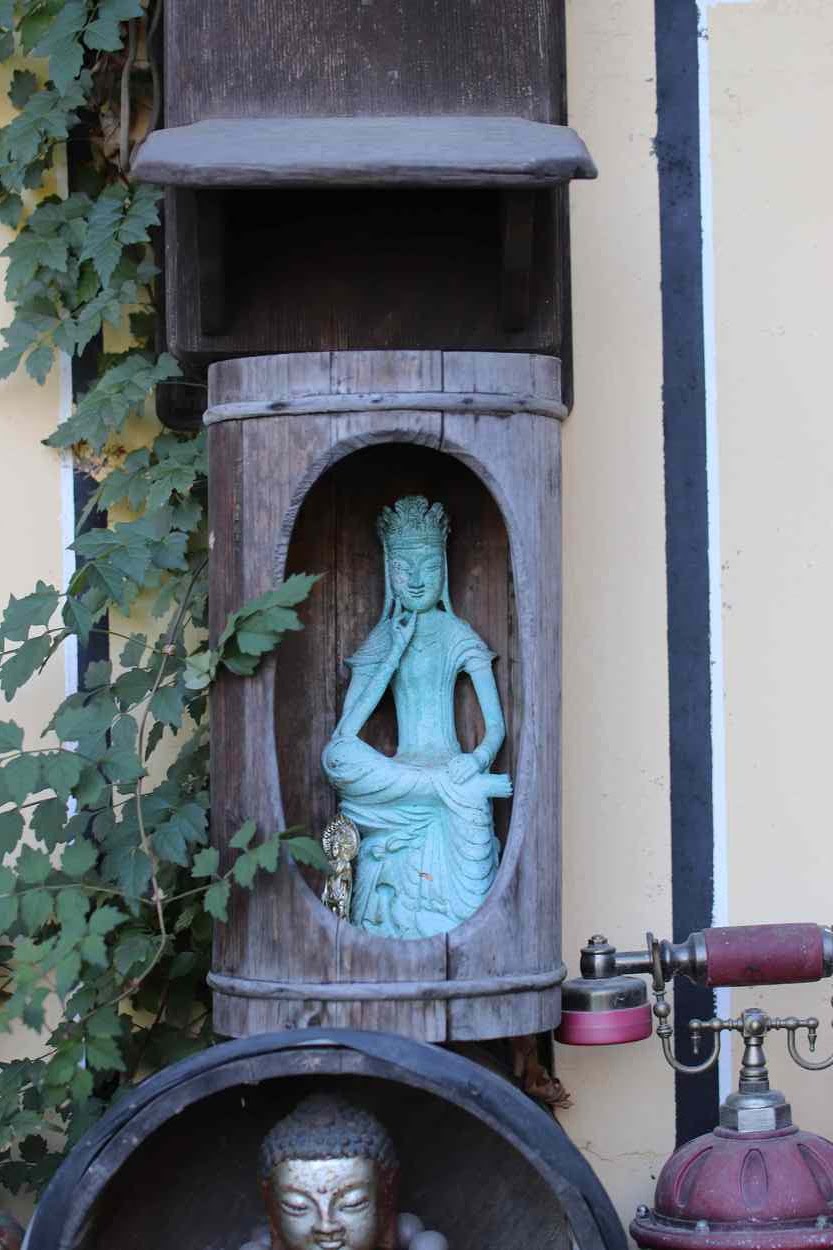
○2020_1017_150830_canon_exc_s12▾삼각산 화계사

○2019_1104_110855_canon_exc▾구례 화엄사

○2021_1001_123247_canon_exc▾안동_천등산_봉정사

○2021_1002_153847_nikon_exc_s12▾영천_만불사

○2021_0214_134840_canon_exc▾춘천_오봉산_청평사

○2021_0320_144531_nikon_exc_s12▾포천_왕방산_왕산사

○2021_1002_115436_nikon_exc_s12▾영천_팔공산_은해사

○2021_1004_083338_nikon_exc▾밀양_영축산_영산정사

○2016_0412_154332_canon_exc_s12▾진안_마이산_탑사

○2022_1025_144449_nikon_exc▾서울_조계사

○2021_0217_113819_nikon_exc_s12▾서산_상왕산_문수사

○2021_1002_152959_canon_exc▾영천_만불사
● [pt op tr] fr
_M#]

○2016_0123_155943_nikon_exc_s12▾부안_능가산_내소사
❋❋본문 ♥
◎[개별논의]
★%★
『부법장인연전』
♣0990-001♧
부법장인연전 해제 (있는 경우)
부법장인연전 001권 요점 핵심

◎◎[개별논의]
♥ ❋본문
★1★
◆vjro1716
|
◈Lab value 202110021529
|

○ 2019_1004_164658_can_ar47.jpg
wikiart
○ [pt op tr] 예술작품 사진 공양, 나무불, 나무법, 나무승 Qi-Baishi-banana-leaf-1951
[#M_▶더보기|◀접기|
Artist: Qi-Baishi
Title : banana-leaf-1951
Info
Qi Baishi (1864 년 1 월 1 일 -1957 년 9 월 16 일)는 수채화 작품 의 기발한, 종종 장난기있는 스타일로 유명한 중국 화가였다 .
호남의 샹탄 (Xiangtan ) 에서 농민 가정으로 태어난 치 (Qi)는 14 세에 목수가되었고, 혼자 페인트 칠하는 법을 배웠습니다. 40 세가되자 여행을 떠나 중국의 여러 명소를 방문했다. 1917 년 이후 그는 북경에 정착했다.
[...이하 줄임...]
from https://en.wikipedia.org/wiki/Qi_Baishi
Permission & Licensing : Wikiart
● [pt op tr] fr
_M#]

○ 2018_0419_125321_can.jpg
○ [pt op tr] 꽃 공양, 나무불, 나무법, 나무승

○ [pt op tr] 아름다운 사진 공양, 나무불, 나무법, 나무승 Eukaryota_diversity_2
[#M_▶더보기|◀접기|
Eukaryotes and some examples of their diversity; compilation
Permission & Licensing : Wikipedia
● [pt op tr] fr
_M#]
♥Nagorno-Karabakh (Azerbaijan) ,Shusha
○ [pt op tr] 아름다운 풍경사진 공양, 나무불, 나무법, 나무승 With the image 'Google Earth & Map data: Google, DigitalGlobe'
Arthur H - Andora
♥단상♥
|
문서정보 ori
https://buddhism0077.blogspot.com/2025/12/k0990-001.html#1716
sfed--부법장인연전_K0990_T2058.txt ☞부법장인연전 제1권/전체6권
sfd8--불교단상_2569_12.txt ☞◆vjro1716
불기2569-12-03
θθ
|
■ 퀴즈
(1) 불생 불멸하는 진여 법성을 인지(忍知)하고,
거기에 안주하여 움직이지 않는 것.
보살이 초지(初地)나 7ㆍ8ㆍ9지에서 얻는 깨달음.
(2) 희인(喜忍)ㆍ오인(悟忍)ㆍ신인(信忍)이라고 이름하는 위(位).
극락세계에 왕생하기로 결정된 것을 의심하지 않는 것.
이것은 생즉무생(生卽無生)의 왕생을 인득(忍得)한 것이므로 이같이 이름함.
이 자리는 10신위(信位) 중에 있음.
답 후보
● 무생법인(無生法忍)
무열천(無熱天)
무위법신(無爲法身)
무인유과(無因有果)
무쟁(無諍)
무표색(無表色)
문수(文殊)
ॐ मणि पद्मे हूँ
○ [pt op tr]
[#M_▶더보기|◀접기|
■ 음악
Daniel Balavoine - Je Ne Suis Pas Un Hero
Mireille Mathieu - Ein Bisschen Gluck Ist Genug
Marc Lavoine - J'@cris Des Chansons
Charles Aznavour - Je N'ai Pas Vu Le Temps Passer
Le Forestier - Le 22 Septembre
Ute Lemper - Couldn't You Keep That To Yourself
Edith Piaf - Dans Un Bouge Du Vieux Port
■ 시사, 퀴즈, 유머
뉴스
퀴즈
퀴즈2
유머
■ 한자 파자 넌센스 퀴즈
025▲ 少殳水氵氺 ■ 소수수수수 25 ( 적을 소/ 젊을 소 )( 몽둥이 수 )( 물 수 ) (삼수변 수) ( 물 수 )
012▲ 宀凡士巳三 ■ 면범사사삼 12ㅡ 집에서 평범한 선비가 머물면 뱀과 같은 지혜가 3개나 생겨난다. ( 집 면 [사방이 지붕으로 덮어 씌워져 있는 집] 갓머리( 부수( 部首)의 하나) )( 무릇 범 )( 선비 사 )( 뱀 사 )( 석 삼 )
재춘법한자
【 】 ⇄✙➠
일본어글자-발음
중국어글자-발음
■ 영어단어 넌센스퀴즈- 예문 자신상황에 맞게 바꿔 짧은글짓기
■ 번역퀴즈
번역
번역연습(기계적 번역내용 오류수정 연습)
■ 영-중-일-범-팔-불어 관련-퀴즈
[wiki-bud]
James Ishmael Ford
[san-chn]
pūrṇaṃ samatittikam 平滿
[san-eng]
nāvāsana $ 범어
the boat posture
[pali-chn]
niṣadana 尼師壇
[pal-eng]
kulapariva.t.ta $ 팔리어 n.generation.
[Eng-Ch-Eng]
non-conceptual concentration 無想定
[Muller-jpn-Eng]
體義 タイギ essence and aspects; substance and connotations
[Glossary_of_Buddhism-Eng]
THREE DOUBTS AND FOUR NARROW PASSES☞
See also: Death; Love / Sex; Rebirth in the Pure Land.
“Elder Master Tzu Chao once said: The Pure Land practitioner
on the verge of death usually faces Three Points of Doubt and Four
Narrow Passes which obstruct his rebirth in the Pure Land. He should
be prepared, reflecting on them in advance to eliminate them.
The Three Points of Doubt are:
1) Fearing that his past karma is heavy and his period of cultivation
short, and that therefore, he may not achieve rebirth in the Pure
Land; 2) Fearing that he has not yet fulfilled his vows and obligations
or severed greed, anger and delusion, and that therefore, he may not
achieve rebirth in the Pure Land. 3) Fearing that even though he has
recited the Buddha’s name, Buddha Amitabha may not come, and
that therefore, he may not achieve rebirth in the Pure Land.
The main Narrow Passes are:
1) Because of suffering due to illness, he may come to malign
the Buddhas as ineffective and unresponsive; 2) Because of loveattachment, he may chain himself to his family, unable to let go.
Once aware of the doctrine of the Three Doubts and the Four Narrow
Paths, the wise can ponder and find a solution. The author shall
merely summarize a few points below. Fellow cultivators can expand
on them according to their own backgrounds and understanding.
(I) Overcoming the Three Doubts
1. Previous heavy karma, present perfunctory practice. Amitabha
Buddha is renowned for his Eighteenth Vow: not to attain
Buddhahood unless sentient beings who sincerely desire to be reborn in the Pure Land, and who single-mindedly recite His name,
are reborn there. The Buddhas do not engage in false speech, and
therefore the practitioner should believe in them. Ten utterances or
thoughts represent a very short cultivation period, yet the practitioner can still achieve rebirth in the Pure Land. We who have recited
the Buddha’s name many times over should, therefore, eliminate all
doubts. Moreover, no matter how heavy the karma of sentient beings
is, if they sincerely repent and rely upon Amitabha Buddha, they will
all be welcomed and guided back to the Pure Land. Do we not recall
that the Meditation Sutra teaches: If anyone who has commited the
Five Grave Offenses or Ten Evil Deeds sees an evil omen appear as he
is on the verge of death, he need only recite the Buddha’s name one
to ten times, single-mindedly, and Buddha Amitabha will descend to
welcome and escort him back to the Pure Land. In the commentary
Accounts of Rebirth, there are cases of individuals who throughout
their lives were breaking the precepts (particularly the precept against
killing) and on their deathbeds, when the ‘marks of hell’ appeared
and, desperate, they single-mindedly recited the Buddha’s name,
they immediately saw Amitabha Buddha arriving to welcome them.
Why should we, who are not that sinful or deluded, worry about not
achieving rebirth in the Pure Land?
2. Unfulfilled vows; non-severance of greed, anger and delusion.
Cultivators’ vows can be divided into two categories: religious and
mundane.
Religious vows: Some practitioners have vowed to build a temple,
practice charity or recite various sutras or mantras a certain number
of times, etc. However, they have not completely fulfilled their vows
when it is time for them to die. These cultivators should think: reciting the Buddha’s name in all earnestness will earn them rebirth in
the Pure Land, where they will have ample opportunity to achieve
immeasurable merits and virtues. Their present vows to build temples
and recite sutras are merely secondary matters. The fact that they may
not have fulfilled them should be of no great concern.
Mundane vows: These include family obligations such as caring for
sick, aging parents or helpless wives and young children, as well as
business debts to be paid or certain other commitments to be fulfilled. Faced with these worries, the practitioner should think: on our
deathbed, there is nothing that can be done, whether we worry or not.
It is better to concentrate on Buddha Recitation. Once we are reborn
in the Pure Land and Buddhahood is achieved, all vows, wishes
and debts can be taken care of, as we will be in a position to rescue
everyone, family and foes alike. The Questions of King Milinda Sutra
contains the following parable: A minute grain of sand, dropped on
the surface of the water, will sink immediately. On the other hand, a
block of stone, however large and heavy, can easily be moved from
place to place by boat. The same is true of the Pure Land practitioner.
However light his karma may be, if he is not rescued by Amitabha
Budddha, he must revolve in the cycle of Birth and Death. With
the help of Amitabha Buddha, his karma, however heavy, will not
prevent his rebirth in the Pure Land. We can see from this passage
that thanks to ‘other-power,’ the Pure Land method can benefit the
practitioner, however heavy his karma may be. The huge block of
stone represents the weight of heavy karma, the boat symbolizes the
power of Amitabha Buddha’s Vows. Therefore, the cultivator should
not think that residual greed, anger and delusion will prevent him
from achieving rebirth in the Pure Land. This example should also
resolve doubts concerning past heavy karma, as in doubts, number
one, above.
3. Despite recitation, Amitabha Buddha may not come, after all. At
the time of death, the Pure Land practitioner will see, depending on
his virtues, Amitabha Buddha, the Bodhisattvas or the Ocean-Wide
Assembly come to welcome him. Sometimes he may not see anything,
but, thanks to the power of his vows and the ‘gathering in’ power of
Amitabha Buddha, he will be reborn in the Pure Land all the same.
The difference lies in his level of cultivation, whether subtle or gross,
transcendental or mundane. What is most important at the time of
death is to recite the Buddha’s name single-mindedly and in all earnestness and not worry about anything else. Any doubts at that time will
give rise to obstructions and impediments. In summary, at the time
of death, the practitioner should not be concerned about whether or
not he witnesses auspicious signs. He should just concentrate on reciting the Buddha’s name in all earnestness until the very end.
(II) Overcoming the Narrow Passes
These ‘passes’ can be summarized as follows:
(1) Slandering the Buddhas because of suffering and disease and
(2) Binding and chaining oneself to family and friends through loveattachment. Sincere practitioners who meet accidents, disease and
disaster should reflect that these are sometimes due to virtues accrued
through cultivation. Either the heavy karma (which he should have
endured) has been commuted to light karma (which he is now enduring), or else, future karma has been transformed into current karma,
giving him the opportunity to repay karmic debts before achieving
rebirth in the Pure Land. Should he doubt this and speak ill of the
Dharma, he would lack faith and understanding, display ingratitude
toward the Buddhas, and bring evil karma upon himself. Among the
rebirth stories, we find instances where this ‘bunching and compressing of karma’ has allowed cultivators to hasten their rebirth in the
Pure Land. Therefore, when Pure Land cultivators encounter such
instances, they should be aware and understand them thoroughly.
Furthermore, this body is illusory and provisional. Depending on his
merit or bad karma, the practitioner’s life will be long or short, happy
or filled with hardship. He should systematically rely on the Buddhas
and firmly believe in the law of cause and effect. When ill or in bad
health, the practitioner should direct his thoughts toward Amitabha
Buddha exclusively. He should not seek the help of externalist gurus,
shamans or healers. Nor should he listen to those who do not yet understand the Dharma and revert to a non-vegetarian diet, drink alcoholic beverages, etc… His mind will then be calm and undisturbed at
the time of death.” 635
Thich: 276-281 #1415
[fra-eng]
existe $ 불어 exists
[chn_eng_soothil]
三障 The three vighna, i.e. hinderers or barriers, of which three groups are given: (1) (a) 煩惱障 the passions, i.e. 三毒 desire, hate, stupidity; (b) 業障 the deeds done; (c) 報障 the retributions. (2) (a) 皮煩惱障 ; (b) 肉煩惱障 ; (c) 心煩惱障 skin, flesh, and heart (or mind) troublers, i.e. delusions from external objects: internal views, and mental ignorance. (3) 三重障 the three weighty obstructions: (a) self-importance, 我慢; (b) envy, 嫉妬; (c) desire, 貧欲.
[vajracchedikā prajñāpāramitā sūtraṁ]
▼●[羅什] 所有一切衆生之類, 若卵生、若胎生、若濕生、若化生,
若有色、若無色、若有想、若無想、若非有想・非無想, 我皆令入無餘涅槃,
而滅度之.
이른바 세상에 있는 온갖 중생으로서 난생(卵生)、태생(胎生)、습생(濕生)、
화생(化生)과 유색(有色)、무색(無色)、유상(有想)、무상(無想)、비유상(非有
想)、비무상(非無想)의 온갖 중생을 내가 모두 제도하여 무여열반(無餘涅槃)
에 들도록 하리라 하라.
[玄奘] 所有諸有情, 有情攝所攝,
若卵生、若胎生、若濕生、若化生、若有色、若無色、若有想、若無想、若非有想非
無想, 乃至有情界施設所施設, 如是一切,
我當皆令於無餘依妙涅槃界而般涅槃;
[義淨] 所有一切眾生之類,
若卵生、胎生、濕生、化生、若有色、無色、有想、無想、非有想非無想,
盡諸世界所有眾生, 如是一切, 我皆令入無餘涅槃而滅度之;
03-02 यावन्तः सुभूते सत्त्वाः सत्त्वधातौ सत्त्वसंग्रहेण संगृहीता अण्डजा वा जरायुजा वा संस्वेदजा वा औपपादुका वा रूपिणो वा अरूपिणो वा संज्ञिनो वा असंज्ञिनो वा नैवसंज्ञिनो नासंज्ञिनो वा, यावान् कश्चित्सत्त्वधातुः प्रज्ञप्यमानः प्रज्ञप्यते, ते च मया सर्वेऽनुपधिशेषे निर्वाणधातौ परिनिर्वापयितव्याः।
yāvantaḥ subhūte sattvāḥ sattvadhātau sattvasaṁgraheṇa saṁgṛhītā aṇḍajā
vā jarāyujā vā saṁsvedajā vā aupapādukā vā rūpiṇo vā arūpiṇo vā saṁjñino
vā asaṁjñino vā naivasaṁjñino nāsaṁjñino vā | yāvan
kaścitsattvadhātuḥprajñapyamānaḥ prajñapyate | te ca mayā
sarve'nupadhiśeṣe nirvāṇadhātau parinirvāpayitavyāḥ |
수보리여! 알에서 태어난 것들이거나 태로 태어난 것들이거나 습기에서 태어난
것들이거나 化現하여 태어난 것들이거나, 형상이 있는 것들이거나 형상이 없는
것들이거나 인식작용이 있는 것들이거나 인식작용이 없는 것들이거나 결코 인식작용이
있는 것이 아닌 것들이거나 인식작용이 없는 것이 아닌 것들이거나, 중생들이 중생들의
세계에서 중생이라는 무리로 무리지어 있는 만큼, (또한) 알려지고 있는 어떤 중생들의
세계가 알려지는 만큼, (바로 그만큼) 모든 그들은 나에 의해 아무것도 남아있지 않은
열반의 세계에서 완전한 열반에 들게 될 것이다( 라고).
▼▷[yāvantaḥ] ① yāvantaḥ(nj.→ƾ.nom.pl.) → [(어떤) 만큼인]
「어떤 만큼인 중생들이 ~ 무리지어 있다(+면)」 + 「그들은 해탈~」 → 「중생들이
무리지어 있다면 바로 그만큼 그들은 해탈~」 → 「중생들이 무리지어 있는 만큼
바로 그만큼 그들은 해탈~」
② yāvat(nj. as great, as much, as long; as many as, so much as: ƺ. as far as, up to, till)
▼[subhūte] ① subhūte(ƾ.voc.) → [수보리여!]
② subhūti(ƾ. N. of …; wellbeing, wellfare)
▼[sattvāḥ] ① sattvāḥ(ƾ.nom.pl.) → [존재들은 → 중생들은]
sat(존재)tva(상태) → 존재하는 상태를 지닌 것 → 衆生 : ① 존재하는 상태, 즉
살아있는 상태를 지닌 것. 곧 ‘살아있는 것’ ② 존재하고 있는 상태, 즉 해탈하여
存在라는 상태를 벗어나지 못한 상태에 있는 것. 곧 ‘해탈하지 못한 것[衆生]’
② sattva(ƿƾ. being, existence, entity; nature character; consciousness, mind, sense)
▼[sattvadhātau] ① sattva+dhātau(ƾ.loc.) → [존재들의 세계에서 → 중생의 세계에서]
② dhātu(ƾ. a constituent or essential part, an ingredient; an element; a part, portion)
▼[sattvasaṁgraheṇa] ① sattva+saṁgraheṇa(ƾ.ins.) → [존재들의 무리로 → 중생의
무리들로 → 중생이라는 무리들로]
② saṁgraha(ƾ. seizing, grasping, taking; clenching the fist; reception; guarding, protection)
▼[saṁgṛhītā] ① saṁgṛhītāḥ(njp.→ƾ.nom.pl.) → [무리지어 있다]
② saṁgṛhīta(nj. gathered, collected; grasped, seized; restrained, governed)
▼[aṇḍajā] ① aṇḍajāḥ(nj.→ƾ.nom.pl.) → [알에서 태어나는]
② aṇḍaja(nj. born from an egg) < aṇḍa(ƾƿ. the testicles; the scrotum; an egg) + ja(nj.
born from) < jan(4.Ʋ. to be born)
▼[vā] ① vā(ƺ.) → [또는]
② vā(ƺ. or, either, or else)
▼[jarāyujā] ① jarāyujāḥ(nj.→ƾ.nom.pl.) → [태로 태어나는]
② jarāyuja(nj. born from the womb, viviparous) < jarāyu(ƿ. the slough or castoff skin of
a serpent; the outer skin of the embryo; the uterus, womb)
▼[vā] ① vā(ƺ.) → [또는]
▼[saṁsvedajā] ① saṁsvedajāḥ(nj.→ƾ.nom.pl.) → [습기에서 태어나는]
② saṁsvedaja(nj. born from the moisture) < saṁ(ƺ. with) + sveda(ƾ. sweat,
perspiration; heat, warmth; vapour) < * + a < svid(4.ǁ. to sweat, perspire)
▼[vā] ① vā(ƺ.) → [또는]
▼[aupapādukā] ① aupapādukāḥ(nj.→ƾ.nom.pl.) → [스스로 태어나는 → 化現하여
태어나는]
② aupapāduka(nj. selfproduced) < upapāduka(nj. selfproduced: ƾ. a superhuman being,
God) < upapad(4.Ʋ. to reach, come to, approach; to be got or obtained; to take place,
occur) < upa(ƺ. toward, near to) + pad(10.Ʋ. to go or move: 4.Ʋ. to go to)
▼[vā] ① vā(ƺ.) → [또는]
▼[rūpiṇo] ① rūpiṇaḥ(nj.→ƾ.nom.pl.) → [형상이 있는]
② rūpin(nj. appearing like; embodied, incarnate; beautiful) < * + in < rūpa(ƿ. any
outward appearance or phenomenon or colour; form, shape, figure)
▼[vā] ① vā(ƺ.) → [또는]
▼[arūpiṇo] ① arūpiṇaḥ(nj.→ƾ.nom.pl.) → [형상이 없는]
② arūpin(nj. shapeless, formless)
▼[vā] ① vā(ƺ.) → [또는]
▼[saṁjñino] ① saṁjñinaḥ(nj.→ƾ.nom.pl.) → [인식작용이 있는]
② saṁjñin(nj. named; that which receives a name) < * + in(possessive) < saṁjñā(Ʒ.
consciousness; knowledge, understanding; intellect, mind)
▼[vā] ① vā(ƺ.) → [또는]
▼[asaṁjñino] ① asaṁjñinaḥ(nj.→ƾ.nom.pl.) → [인식작용이 없는]
② asaṁjñin(nj.) < * + in(possessive) < asaṁjña(nj. insensible) | asaṁjñā(Ʒ. disunion,
disagreement, discord)
▼[vā] ① vā(ƺ.) → [또는]
▼[naivasaṁjñino] ① na+eva+saṁjñinaḥ(nj.→ƾ.nom.pl.) → [결코 인식작용이 있는 것이
아닌]
나열된 항목의 하나로서 'sattvāḥ'의 형용사가 되기 위해서는 복합어야 되어야 한다.
② eva(ƺ. indeed, truly, really; just so, exactly so truly)
▼[nāsaṁjñino] ① na+asaṁjñinaḥ(nj.→ƾ.nom.pl.) → [인식작용이 없는 것이 아닌]
결코 인식작용이 있는 것도 아니요 인식작용이 없는 것도 아닌 것들이거나.
▼[vā] ① vā(ƺ.) → [또는.]
▼▷[yāvan] ① yāvan(nj.→ƾ.nom.) → [(어떤) 만큼인]
「어떤 만큼인 어떠한 세계가 알려지게 된다 (+하더라도)」 + 「그들은 해탈~」 →
「어떠한 세계가 열려지게 된다 하더라도 바로 그만큼 그들은 해탈~」
② yāvat(nj. as much/many as; as great, as large; all, whole)
▼[kaścitsattvadhātuḥprajñapyamānaḥ] ① kaścit(pn.ƾ.nom.) + sattva+dhātuḥ(ƾ.nom.) +
prajñapyamānaḥ(nj.→ƾ.nom.) → [어떤、 중생들의 세계가、 알려지고 있는]
② kimcit(ƺ. to a certain degree, somewhat, a little)
② sattva(ƿƾ. being, existence, entity; nature character; consciousness, mind, sense)
② dhātu(ƾ. a constituent or essential part, an ingredient; an element; a part, portion)
② prajñapyamāna(caus.pres.p.) < prajñā(9.dž. to know, know about)
▼[prajñapyate] ① prajñapyate(caus.pres.Ⅲ.sg.) → [알려지다 → 알려지더라도]
② prajñā(9.dž. to know, know about; to be aware of, find out; to discern, distinguish)
▼▷[te] ① te(pn.ƾ.nom.pl.) → [그들은]
② te(pn.ƾ.nom.pl.|ƿ.nom.acc.du.|Ʒ.nom.acc.du.) < tad(pn. that, he, it, she)
▼[ca] ① ca(ƺ.) → [또한]
② ca(ƺ. and, both, also, moreover)
▼[mayā] ① mayā(pn.Ⅰ.ins.) → [나에 의해]
▼[sarve'nupadhiśeṣe] ① sarve(nj.→ƾ.nom.pl.) + anupadhiśeṣe(nj.→ƾ.loc.) → [모든、
기초가 남아있지 않은 → 모든、 아무것도 남아있지 않은]
② sarva(pn.nj. whole, entire, all, every)
② anupadhiśeṣa(nj.) < an(not) + upadhi(ƾ. fraud, dishonesty; suppression of the truth;
terror, threat; foundation [with the Buddhists]) + śeṣa(nj. remaining)
▼[nirvāṇadhātau] ① nirvāṇa+dhātau(ƾ.loc.) → [불이 꺼진 세계에서 → 열반의 세계에서]
② nirvāṇa(p.p. blown out; lost; dead: ƿ. extinction; vanishing from sight; dissolution, death)
< nirvā(2.ǁ. to blow; to be cooled; to blow out) + na(kṛt) < nis(ƺ. out, away) +
vā(2.ǁ. to blow; to go, move; to strike, hurt)
② dhātu(ƾ. a constituent or essential part, an ingredient; an element; a part, portion)
▼[parinirvāpayitavyāḥ] ① parinirvāpayitavyāḥ(njp.→ƾ.nom.pl.) → [완전히 불이 꺼지도록
되어 질 것이다. → 완전한 열반에 들게 될 것이다.]
‘~ 그들은 나에 의해 완전한 열반에 들것이다.’라는 인식이 일어나도록 해야 한다.
② parinirvāpayitavya(nj.) < pari(ƺ. very, excessively) + nirvā(2.ǁ. to blow; to be cooled;
to blow out) + payi(caus.) + tavya(pot.[→fut.]pass.p.)
출처 봉선사_범어연구소_현진스님_금강경_범어강의
『능단금강반야바라밀다경』(能斷金剛般若波羅密多經) - 범어 텍스트 vajracchedikā prajñāpāramitā sūtraṁ
♣K0116-001♧
♣K0117-001♧
■ 삼매_게송퀴즈
■ 오늘의 게송
[337일째]
피제신력불가설 $ 079▲謎魯陀謎魯陀為 一 ● 契魯陀, ○□□□□,彼,入,念,無
□□□□□□□, 彼諸方便不可說,
入空寂智不可說, 念念相續不可說,
□□□□□□□, 피제방편불가설,
입공적지불가설, 념념상속불가설,
彼諸神力不可說,
저 모든 신통의 힘 말할 수 없고
저 모든 방편들도 말할 수 없고
고요한 지혜에 듦 말할 수 없고
생각생각 계속함을 말할 수 없고
[339째]
제찰차별불가설 $ 081▲摩覩羅摩覩羅為 一 ● 娑母羅, ○□□□□,種,差,無,種
□□□□□□□, 種種清淨不可說,
差別莊嚴不可說, 無邊色相不可說,
□□□□□□□, 종종청정불가설,
차별장엄불가설, 무변색상불가설,
諸剎差別不可說,
세계의 차별함을 말할 수 없고
가지가지 청정함도 말할 수 없고
차별한 장엄들도 말할 수 없고
그지없는 빛깔도 말할 수 없고
●K1271_T1202.txt★ ∴≪A부동사자다라니비밀법≫_≪K1271≫_≪T1202≫
●K0990_T2058.txt★ ∴≪A부법장인연전≫_≪K0990≫_≪T2058≫
●K0381_T0484.txt★ ∴≪A부사의광보살소설경≫_≪K0381≫_≪T0484≫
■ 암산퀴즈
810* 612
53460 / 486
■ 다라니퀴즈
구족수화길상광명대기명주총지 12 번째는?
불정광취실달다반달라비밀가타미묘장구(佛頂光聚悉怛多般怛羅秘密伽陁微妙章句) 280 번대 10개 다라니는?
부처님 108 명호 13 번째는?
12 청정한 계(戒)를 증장시키며,
사뎨 닐아라참포, 薩帝<丁斯反>昵<泥吉反>訶羅讖蒱<十二>
satya nir-hara ksam bhu,
말법시대의 지장
『대승대집지장십륜경』
♣0057-001♧
280 아싣다나 라 라가 ◐阿悉多那<引>囉<引>囉迦<白光分明二百><八十>◑Asitaㆍanalāruka
281 바라바비사보타 ◐鉢囉婆毘薩普咤<二百八十一>◑prabhāsvata
282 비가싣달다 ◐毘迦悉怛多<二百八十二>◑vikaㆍsit'āta
283 바디리 ◐鉢底哩<二百八十三>◑patre//
284 지바라지바라 ◐什嚩囉什嚩囉<光焰二百八十四>◑jvalaㆍjvala
285 타라타라 ◐陁囉陁囉<二百八十五>◑daraㆍdara
286 빈타라빈타라 ◐頻陁囉頻陁囉<二百八十六>◑vidaraㆍvidara
287 진타진타 ◐嗔陁嗔陁<二百八十七>◑chindaㆍchinda//
288 함후함후 ◐含吽含吽<二百八十八>◑Hūṃ hūṃ
289 바바바 ◐泮泮泮<二百八十九>◑pha pha pha
●아난아,
이 선남자가 이 주문을 지닐 때에는,
가령 주문을 수지하기 전에 금계(禁戒)를 범했을지라도,
주문을 지닌 뒤에는
온갖 파계 죄는 가볍고 무거움을 가리지 않고
일시에 소멸하며,
비록 술을 마시고
오신채(五辛菜) 등 가지가지 부정(不淨)한 음식을 먹고 지냈을지라도,
일체 모든 부처님과 보살과
금강과 하늘과 신선과 귀신(鬼神)들은
그것을 잘못으로 여기지 않는다.
불정광취실달다반달라비밀가타미묘장구(佛頂光聚悉怛多般怛羅秘密伽陁微妙章句) - 『대불정여래밀인수증요의제보살만행수능엄경』
♣K0426-007♧
013
모든 번뇌[垢染]를 여의신 이께 귀의합니다.
南無離一切垢染
『불일백팔명찬』佛一百八名讚
♣1183-001♧
495720
110
법수_암기방안
28 새끼 ( LITTELE finger)
79 검지 식지 (~집게)
81 서혜부( 사타구니~ thigh 넓적다리주변)
12 팔꿉 [elbow]
13 노뼈 [radius]
137 ( the kneecap, / the patella무릎 종지뼈) 종지뼈
■ 오늘의 경전 [이야기, 게송,선시 등]
2569_1205_002548 :
한국불교전서 내 시구 및 게송
우연히 읊다(偶吟)
鑪鞴多方作精鍊
풀무로 온갖 방법 써서 정련하건만233)
▣▣▣▣豈外乎
도가 어찌 밖에 있으리오
倒卓看山印不解
하늘에 꽂힌 산을 보고도 무문인無文印을 알지
沿流付水慣無餘
못하지만흐르는 물을 내맡겨 두니 무여無餘234)에는 익숙하여라
不坐誰稱無炎位
지위에 안 앉은들 누가 권세 지위가 없다 하랴
喪身早非絶人居
몸 잃었어도 애초에 사람 사는 곳 떠난 게 아니지
撒手歸來只這是
손을 놓고 돌아오니235) 바로 이것이니236)
敢保行人莫躊躇
감히 보장하노니 행인들이여 주저하지 말라
또(又)
是佛是魔總未休
부처니 마구니니 모두 쉬지 못하니
靈機收盡手中鉤
신령한 기봉은 모두 수중의 낚싯바늘237)에 있어라
踐紅枯骨春深笑
붉은 꽃 밟는 해골은 깊은 봄날에 웃고
戴白嬰兒劫石尤
흰 머리털 어린 아기는 겁석238)보다 오래 살았네
昨夢旣虛來亦爾
어젯밤 꿈 허망하고 내일도 그러하니
此心未達外何求
이 마음 깨닫지 못하고 밖으로 무엇을 찾는고
所嗟凡事終難測
안타까워라 모든 일 끝내 예측할 수 없으니
臨別冲冲更引愁
이별 앞에 감정이 복받치고 시름겹구려
출전:
한국불교전서 11책 H0283
조선 ∴성우(惺牛) 경허집(鏡虛集) 8권
출처 불교기록문화유산아카이브 통합대장경
https://kabc.dongguk.edu/m
■요가자세 익히기
옆으로 누운 휴식 자세 [Savasana]
●세계사이트방문일자: 불기 2569-06-30-월
♡대원사아실암,전남 보성군 문덕면, 죽산길 530-2
== 대원사, 전라남도 보성군 문덕면 죽산길 506-8
[사진] 대한불교조계종 대원사
https://maps.app.goo.gl보성 대원사 극락전
https://maps.app.goo.gl[지도내 사진]
[거리뷰1]
https://naver.mehttps://naver.mehttps://naver.mehttps://naver.mehttps://naver.me[세계내-위치]
https://kko.kakao.comhttps://kko.kakao.comhttps://kko.kakao.com[설명 1]
https://blog.naver.com삶의 존귀함을 일깨우는 백제고찰 보성 천봉산 대원사
https://blog.naver.com대원사 - 전남 보성군 문덕면 죽산길
https://blog.naver.com티벳 박물관 - 대원사 (전남 보성군 문덕면 죽산리 2006. 8. 26)
https://blog.naver.com대원사 -백제고찰 지장도량 -윤7월 삼사순례 (전남 보성군 문덕면 죽산리 2006. 8. 26.)
https://blog.naver.comhttps://blog.naver.com걷기좋은길_보성 대원사_벚꽃엔딩(2025.04.11)
https://blog.naver.com보성 대원사
https://cafe.daum.net[설명 2]
https://www.wikitree.co.kr[포토+영상]보성 대원사 가는 5.5km 벚꽃 터널길 장관
https://encykorea.aks.ac.kr대원사 극락전 (大原寺 極樂殿)
https://www.jeollailbo.com보성군, 대원사 벚꽃길 터졌다! 드디어 벚꽃이 ‘활짝’
https://www.yna.co.kr'왕벚꽃 울창' 전남 보성 대원사 탐방객 '북적'
https://www.jeonmae.co.kr보성 문덕면 대원사 벚꽃 길 '낭만가득'
https://blog.naver.com고찰 보성 "천봉산 대원사"를 다녀오다.
https://xn--ok0b236bp0a.comhttps://blog.naver.com[전남 보성] 천봉산 대원사(大原寺)
https://www.facebook.com보성 가볼만한곳 : 대원사 벚꽃 축제 벚꽃길 드라이브
https://www.beopbo.com보성 대원사, 힐링뮤지션과 ‘음성음악제
http://www.newsa.co.kr보성 천봉산 대원사에서 만난 생텍쥐페리
https://youtu.behttps://www.ibulgyo.com대원사, 템플스테이 도량 ‘아실암’조성
http://www.daewonsa.or.kr현장스님설법 아실암에서 열린 향도이야기
[동영상 1]
[2:33]전남 보성군 문덕면 천봉산 대원사, 사찰여행
https://youtu.be[8:56]그 절에 가고싶다 보성 대원사
https://youtu.be[2:33]보성의 문화재 - 대원사 극락전 관음보살 달마대사벽화/Daewonsa Temple's Geungnakjeon Hall Bodhidharma Wall Painting
https://youtu.be[6:36]보성 대원사
https://youtu.be[30:05]보성대원사.티벳박물관을 찾아서(전남 보성에 가면 꼭 가볼만한 곳)Tibet Museum.보성여행
https://youtu.be[동영상 2]
[47:09]현장스님과 함께 대중차담 보성 대원사 일로향전
https://www.youtube.com[3:30]대원사벚꽃길 MV 피터펀 [가사포함] 전남보성 문덕면의 한국의 아름다운길100
https://youtu.be[3:21]보성 대원사 눈오는 날 랜선 극락전 투어
https://youtu.be[3:33]대원사(보성) 세상에 빛을 보지못한 태아들을 위한 기도
https://youtu.be[음악] [0:50]보성 대원사 아실암 음악명상
https://youtu.be[예술작품감상] 우연의 법칙에 따라 배열된 사각형으로 구성된 콜라주/장 아르프/날짜: 1917/스타일: 다다이즘/장르: 추상적인/메디아: 종이/위치: 현대 미술관(MoMA), 뉴욕시, 뉴욕, 미국
https://www.wikiart.orghttps://www.wikiart.org노 카키노모토 히토마로/가츠시카 호쿠사이/날짜: 1835/스타일: 우키요에/장르: 장르화/위치: 기메 박물관, 파리, 프랑스
https://www.wikiart.orghttps://www.wikiart.org104 대성당 I/프리덴스라이히 훈더트바서/날짜: 1951/스타일: 트랜스오토마티즘/장르: 비유적인/메디아: 수채화/대원사아실암,전남 보성군 문덕면, 죽산길 530-2
https://www.wikiart.orghttps://www.wikiart.org010 나모로계사먁가다남 ◐娜牟盧鷄三藐伽哆喃<敬禮過去未來十>◑Namo loke samyaggatānāṃ//
011 나모사먁바라 디반나 남 ◐娜牟三藐鉢囉<二合>底半那<去>喃<十一>◑Namaḥ samyakpratipannāsāṃ//
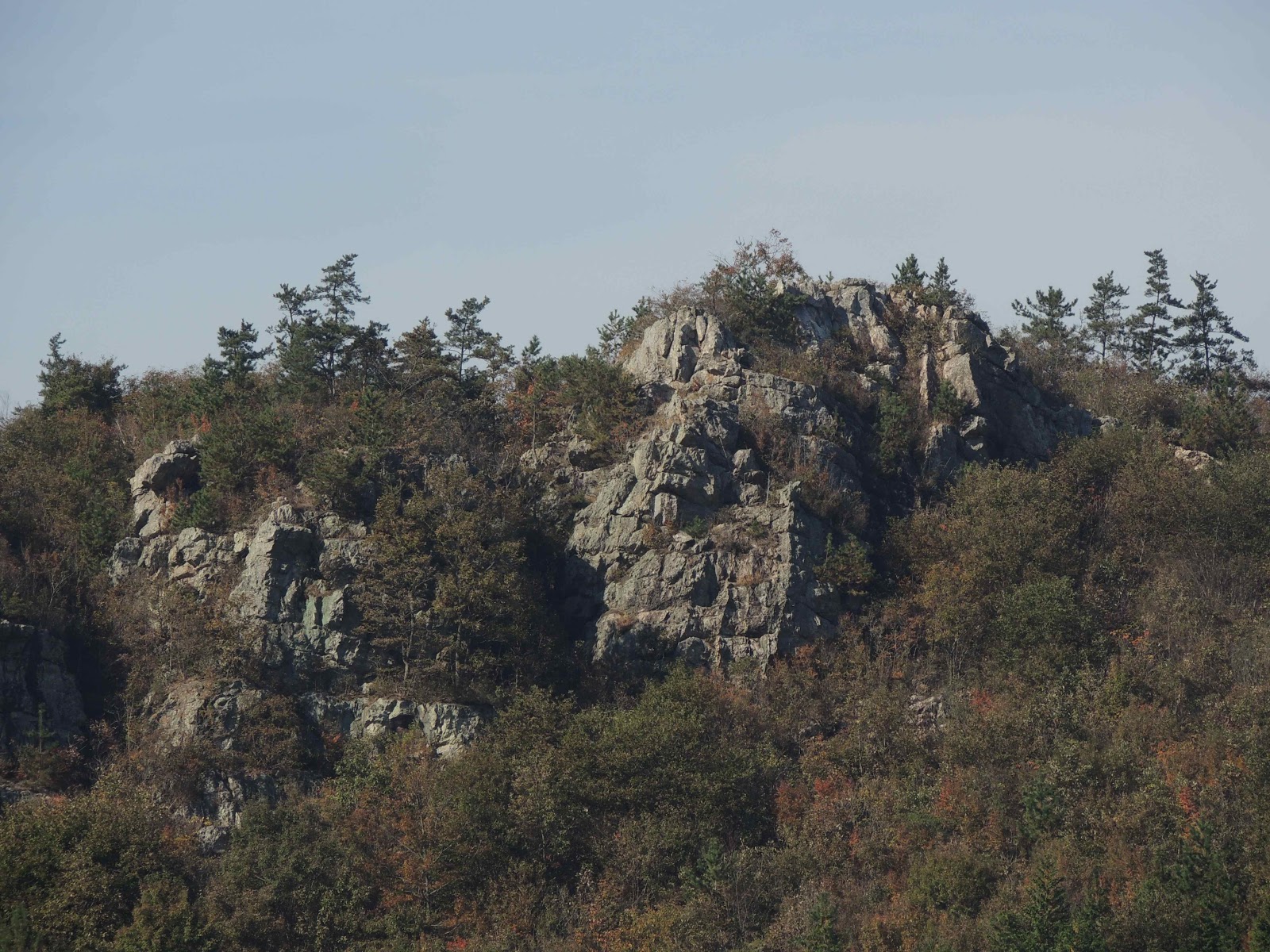
○2019_1106_141512_nikon_fix▾화순 계당산 쌍봉사
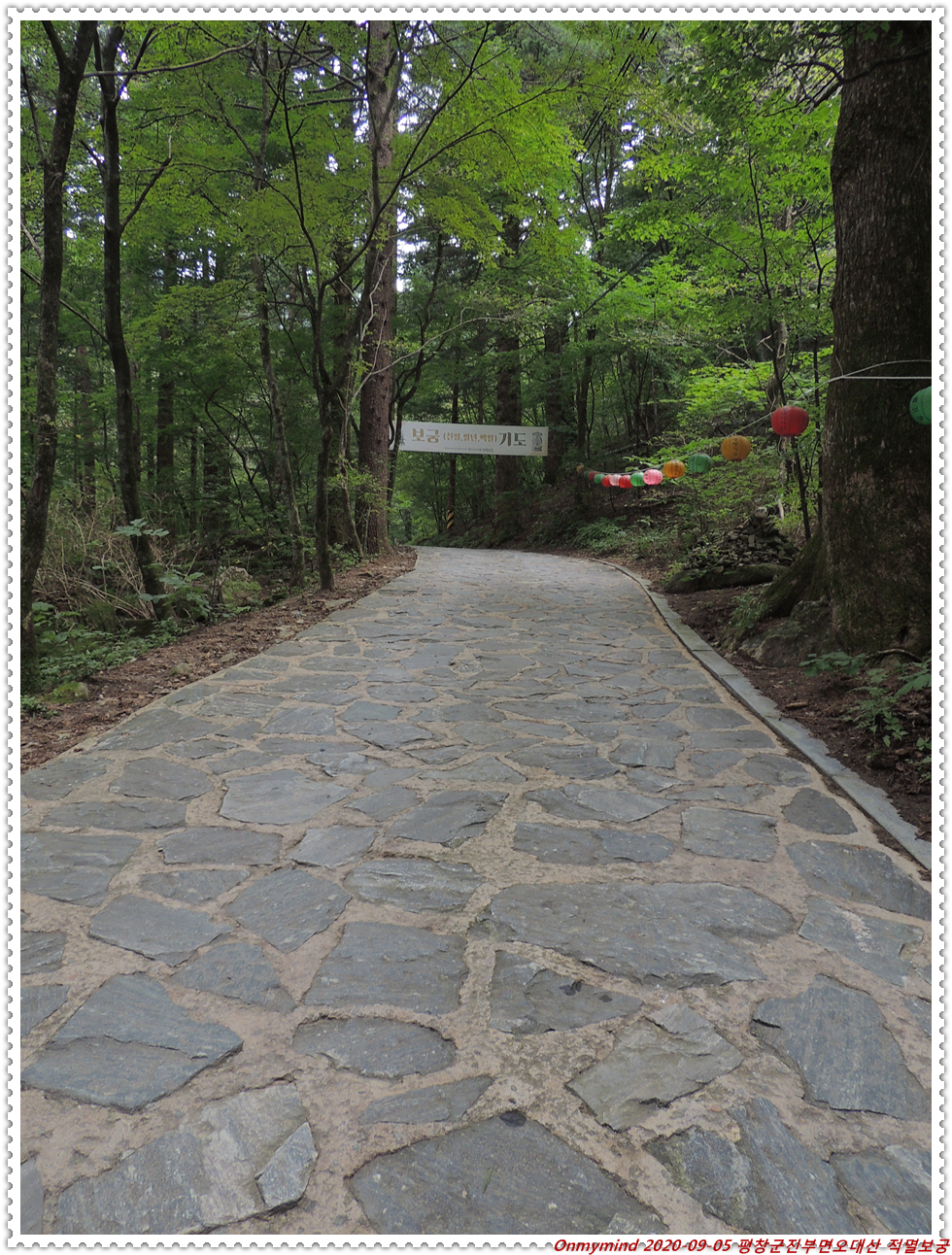
○2020_0905_165812_nikon_ori_rs▾오대산 적멸보궁
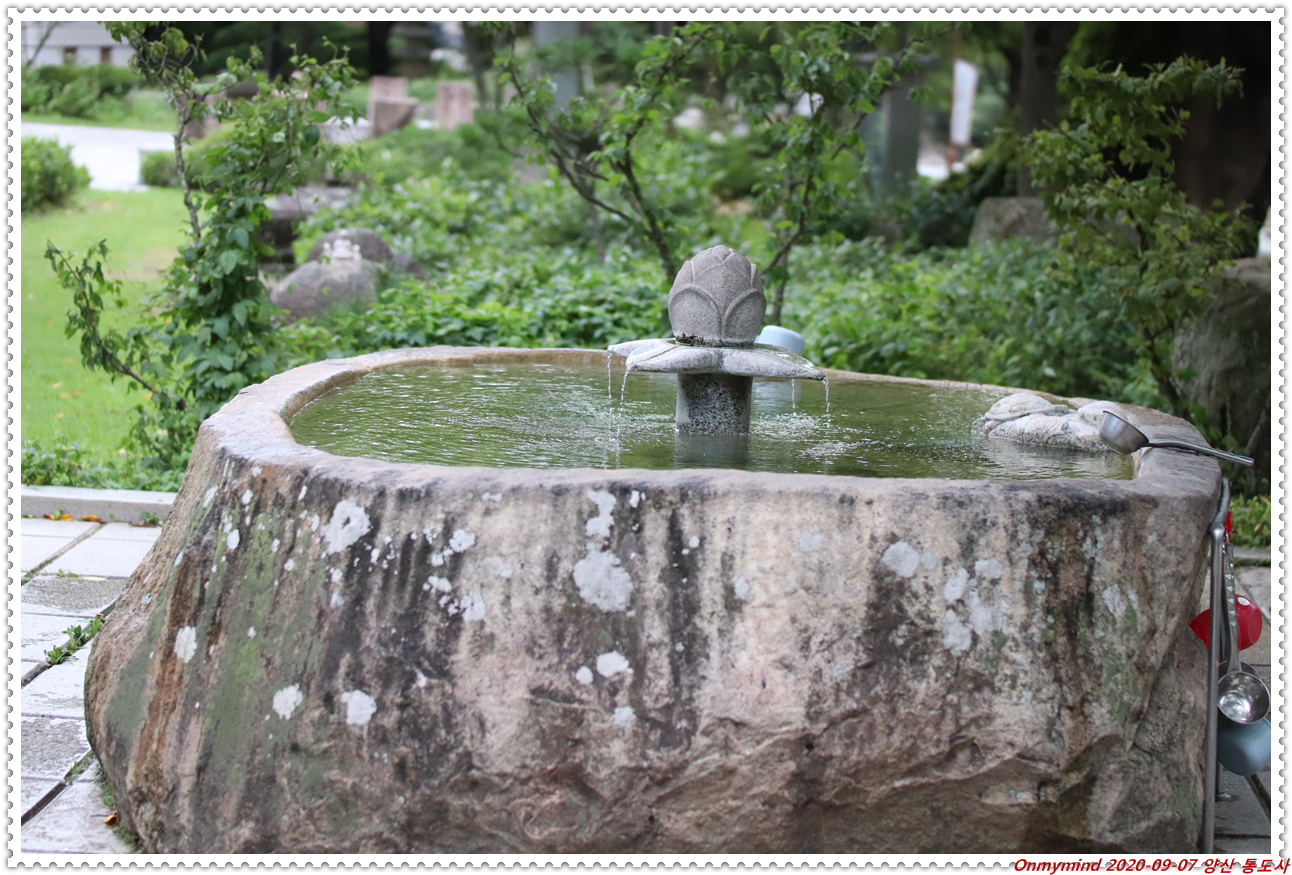
○2020_0907_162146_canon_ori_rs▾양산 통도사
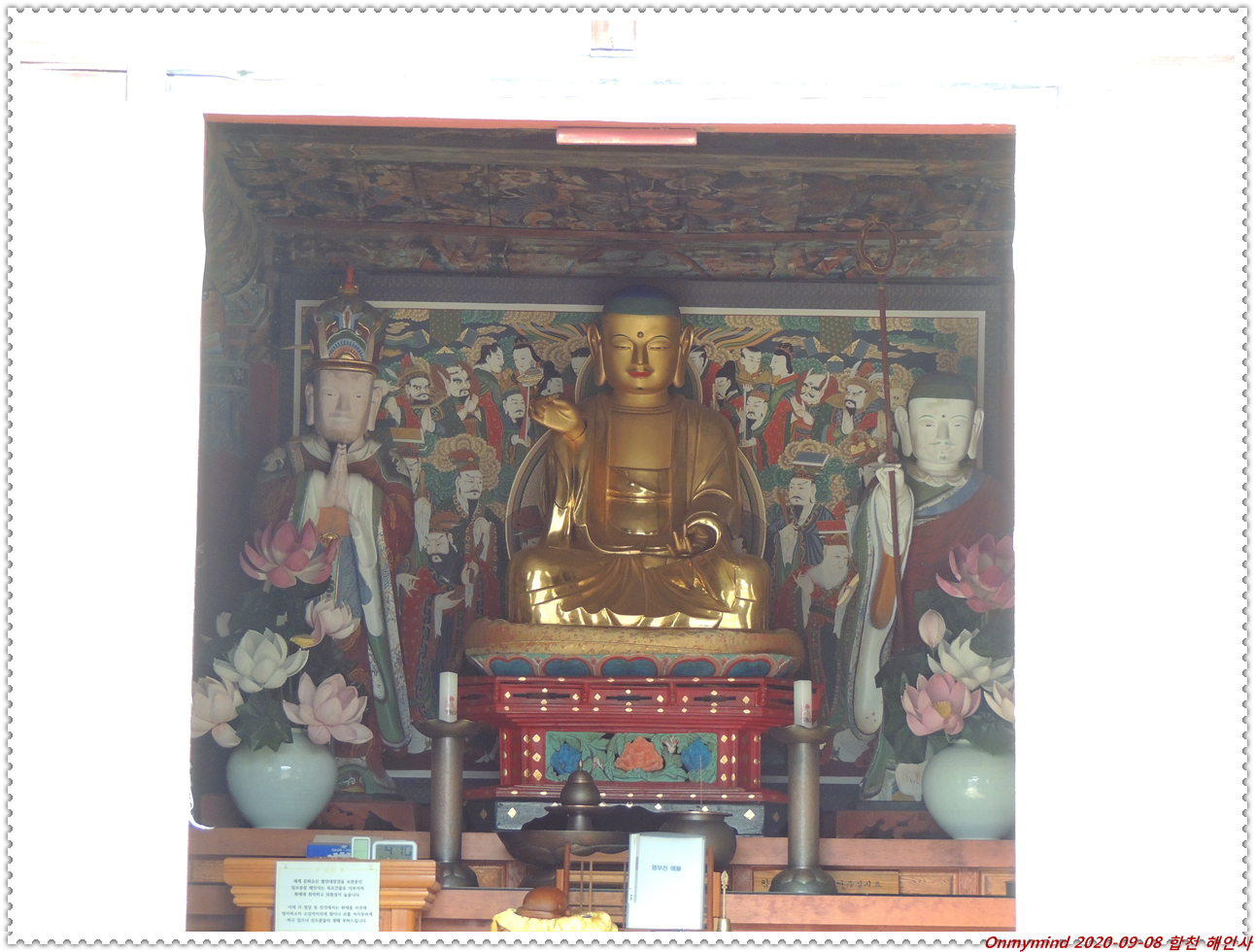
○2020_0908_161253_nikon_ori_rs▾합천 해인사

○2019_0317_151706_nikon_exc_s12_%23035▾서울_도봉산_광륜사

○2014_0302_162203_nikon_exc▾서울_우면산_관문사

○2021_1006_101333_nikon_exc▾해남_봉화산_대흥사

○2021_1112_174402_nikon_exc▾setec_서울국제불교박람회

○2020_0430_123945_canon_exc▾서울_북악산_성불사

○2023_0211_191028_nikon_exc

○2022_0827_135236_canon_exc▾의정부_도봉산_회룡사

○2016_0505_125750_nikon_exc_s12▾춘천_오봉산_청평사

○2021_0320_142324_canon_exc_s12▾포천_왕방산_왕산사

○2015_0415_155010_nikon_exc_s12▾서울_정릉_봉국사

○2021_0930_104136_nikon_exc▾삼척_두타산_천은사

○2021_1003_174439_canon_exc_s12▾밀양_영축산_영산정사

○2021_1002_185326_nikon_exc_s12▾경주_함월산_골굴사

○2021_1001_140345_nikon_exc_s12▾봉화_청량산_청량사

○2014_0407_130140_canon_exc_s12▾완주_송광사

○2019_1004_133719_canon_Ab27

○2019_1004_134353_nikon_BW17
○2019_1004_140638_nikon_Ab27
○2019_1004_172223_nikon_ab35_1

○2019_1004_154757_nikon_ab41

○2019_1004_164220_canon_bw24

○2019_1004_134115_canon_CT38
○2019_1004_144211_canon_bw11

○2019_1004_145416_canon_ct18

○2019_1004_172557_nikon_ct9

○2019_1004_181357_nikon_ct18
○2020_0224_110140_nikon_BW17

○2020_0224_110511_nikon_ct31
○2020_0224_111241_nikon_Ar12
○2020_0224_113412_nikon_Ar12
○2020_0224_123022_nikon_BW25_s12

○2020_1126_160652_nikon_CT33_s12
○2020_1126_160730_nikon_CT33_s12