
『집고금불도논형』
K1066
T2104
집고금불도논형 병권 /전체4권
● 한글대장경 해당부분 열람I
● 한글대장경 해당부분 열람II
○ 통합대장경 사이트 안내
○ 해제[있는경우]
● TTS 음성듣기 안내
※ 이하 부분은 위 대장경 부분에 대해
참조자료를 붙여 자유롭게 연구하는 내용을 적는 공간입니다.
대장경 열람은 위 부분을 참조해주십시오.
● 자료출처 불교학술원 기금 후원안내페이지
불기2562-12-29 -- 뽑혀진 대장경 내용 연구
내용 이해가 쉽도록 위 사이트 원 번역문 내용을 단문형태로 끊어 표현을 바꿔 기재한다.
다만, 여건상 일부분만 살피는 경우가 많다.
따라서 작업중 파일을 별도로 만든다.
그리고 클라우드 드라이브 폴더에 보관한다.
그리고 이후 계속 수정보완해가기로 한다.
그리고 완료되면 본 페이지에 직접 붙여나가기로 한다.
작업중인 파일은 다음 폴더 안에서 K1066_T2104_in 파일을 참조하면 된다.
https://drive.google.com
●차후 링크가 변경되어 연결되지 않을 때는 다음 페이지 안내를 참조한다.
buddhism0077
『집고금불도논형』
♣1066-003♧
집고금불도논형 병권 /전체4권
♥아래는 현재 작성 및 정리 중인 미완성 상태의 글입니다♥
[페이지 내용 업데이트 관련 안내]
❋본문
◎[개별논의]
○ [pt op tr]
[#M_▶더보기|◀접기|
○2019_1106_153152_nikon_ar47▾화순 계당산 쌍봉사
○2019_1105_123118_nikon_ab41_s12▾순천 조계산 선암사

○2019_1106_091830_canon_Ar26_s12▾화순 영구산 운주사

○2019_1106_101907_canon_exc_s12▾화순 영구산 운주사
○2019_1106_171945_canon_ct18▾화순 계당산 쌍봉사

○2019_1201_151503_canon_ct9▾원주 구룡사
○2019_1201_161641_nikon_ab12_s12▾원주 구룡사

○2020_0907_141809_nikon_ar45▾양산 통도사

○2020_0930_141421_nikon_AR12▾화성 용주사

○2020_1002_125336_canon_AR35_s12▾파주 고령산 보광사

○2020_1017_164556_canon_exc▾삼각산 화계사

○2018_1024_154212_nikon_AR25▾공주 칠갑산 장곡사

○2019_1104_115034_canon_bw24▾구례 화엄사 구층암
○2019_1104_161615_canon_CT28▾구례 쌍계부근

○2021_1008_151302_canon_ct8_pc▾계룡산_신원사

○2021_1003_152230_canon_ct9_s12▾밀양_삼량진_금오산_여여정사

○2021_0928_124806_nikon_BW25_pc▾인제_설악산_백담사

○2023_0222_155520_nikon_AR35_s12▾양평_용문산_용문사

○2021_1004_193053_canon_ct9_s12▾여수_금오산_향일암
● [pt op tr] fr
_M#]

○2020_0907_141246_canon_BW28▾양산 통도사
❋❋본문 ♥
◎[개별논의]
★%★
『집고금불도논형』
♣1066-003♧
집고금불도논형 해제 (있는 경우)
집고금불도논형 003권 요점 핵심

◎◎[개별논의] ♥ ❋본문
★1★
◆vjin7518
| ◈Lab value 202110041930 |
|
♥단상♥ |
|
문서정보 ori https://buddhism0077.blogspot.com/2018/12/k1066-003.html#7518 sfed--집고금불도논형_K1066_T2104.txt ☞집고금불도논형 병권 /전체4권 sfd8--불교단상_2562_12.txt ☞◆vjin7518 불기2562-12-29 θθ |


■ 퀴즈
밀교에서 대일여래에 대하여 말하는 네 가지 법신.
자성법신(自性法身)ㆍ수용법신(受用法身)ㆍ변화법신(變化法身)ㆍ등류법신(等流法身).
(1) 자성법신은
온갖 법의 본체로서
3세(世)에 상주(常住)하는 불신이며,
이를 이(理)ㆍ지(智)의 두 방면으로 보아,
이법신ㆍ지법신으로 나누니,
이법신은 6대(大)중의 앞에 5대를 내용으로 하는 불로서
태장계 만다라의 대일(大日)여래이고,
지법신은 제6의 식대(識大)를 내용으로 하는 불로서
금강계의 대일여래.
(2) 수용법신은 온갖 법의 자성(自性)인 절대계(絶對界)로부터 상대계에 나타난 4불(佛)의 세계니, 2종이 있다.
첫째 자수용법신은 스스로 증득한 경지를 스스로 맛보는 불신.
둘째 타수용법신은 10지 보살을 위하여 법을 말하는 불신.
(3) 변화법신은 10지(地)전의 보살과 2승과 범부를 위하여 설법하는 법신이니, 석존과 같이 기류(機類)를 따르고, 국토에 응하여 나타나는 불.
(4) 등류법신은 불계(佛界)를 제외한 다른 세계에 응하여 여러 가지 형체를 나타내여 설법하는 불신이니, 관세음보살의 32응신과 같음.
답 후보
● 사종법신(四種法身)
사중(四衆)
사행진여(邪行眞如)
사혹(思惑)
살바야(薩婆若)
삼고(三苦)
삼념주(三念住)
ॐ मणि पद्मे हूँ
○ [pt op tr]
[#M_▶더보기|◀접기|
■ 음악
Marie-Paule Belle - Si Je Pouvais Ne Plus Avoir D'yeux
Marie Laforet - Pegao
Weepers Circus - Sinai Hora
Veronique Sanson - Un Pue Plus De Noir
Didier Barbelivien - En Chantant
VERONIQUE SANSON - On M'Attends LBas
Petula Clark - Je Voudrais Qu'il Soit Malheureux
■ 시사, 퀴즈, 유머
뉴스
퀴즈
퀴즈2
유머
■ 한자 파자 넌센스 퀴즈
051▲ 皮疋必玄穴 ■ 피필필현혈 51 (가죽 피 )(짝 필/ 발 소, 바를 아 )( 반드시 필 )(검을 현 / 오묘하다( 奧妙--) 심오하다( 深奧--), ) (구멍 혈 / 굴 휼 )
038▲ 句丘冬令立 ■ 구구동령립 38 ( 글귀 구/ 올가미 구, 글귀 귀 ) ( 언덕 구 )( 겨울 동 / 북소리 동) ( 하여금 령 / 영) (설 립 / 입, 자리 위 ) 재춘법한자
【 】 ⇄✙➠
일본어글자-발음
중국어글자-발음
■ 영어단어 넌센스퀴즈- 예문 자신상황에 맞게 바꿔 짧은글짓기
■ 번역퀴즈
번역
번역연습(기계적 번역내용 오류수정 연습)
■ 영-중-일-범-팔-불어 관련-퀴즈
[wiki-bud] Nara, Nara
[san-chn] dharaṇī-bhūta 如大地
[san-eng] tattva $ 범어 an element, the twenty-four categories of thatness
[pali-chn] cattāro brahma-vihārā 四梵住
[pal-eng]
[Eng-Ch-Eng] PURE LAND Pure Land 淨土 generally refers to the Paradise of the West, presided over by Amitabha. Also known as the Land of Ultimate Bliss. Other Buddhas have their own Pure Lands. The Pure-Land Sect whose chief tenet is salvation by faith in Amitabha; it is the popular cult in China and Japan.
[Muller-jpn-Eng] 八大地獄 ハチダイチゴク eight great hells
[Glossary_of_Buddhism-Eng] SUPPORTIVE RECITATION☞
See also: Buddha Recitation; Death; Pure Land School.
Vn / Hộ-Niệm. Supportive Recitation is recitation performed by
one or more Pure Land practitioners alongside a dying person, to
assist him in achieving rebirth in the Pure Land. This is important
for Pure Land practitioners as at the time of death, one is like a turtle
being skinned alive. Filled with pain and fear, without the support
of like-minded practitioners, one is likely to forget about Buddha
Recitation and Pure Land rebirth.
(I) General Guideline
“In general, the spiritual advisor should follow the guidelines set out
below.
1. Remind the patient of the sufferings of the Saha World and the
joys of the Pure Land, so that he may develop a mind of devotion and
attraction to the Pure Land. The good advisor should also enumerate
and praise the patient’s good deeds, merits and virtues in cultivation.
This will make him happy and free of doubts, certain that when the
time comes to die, he will, thanks to his good deeds, be reborn in the
Pure Land.
2. If the patient has any doubts, the advisor should, depending on
the circumstances, explain the Three Points of Doubts and the Four
Narrow Passes. A critical detail to bear in mind here: the dying person
should be reminded to eliminate all regret over wealth and property,
as well as attachment to close family and relatives.
3. If the patient has a will, so much the better, but if not, the advisor
should counsel against all inquiries in this regard. He should also
advise everyone to refrain from useless chitchat that could rekindle
the patient’s love-attachment to the world, which is detrimental to
rebirth in the Pure Land.
4. When relatives and friends come to visit, they should be discouraged from standing before the patient inquiring about his health in a
sad, piteous way. If they come out of true concern, they should merely
stand on the side, reciting the Buddha’s name aloud for a moment. If,
lacking understanding of the Dharma, the visitors act conventionally
[crying, etc.], they are in effect pushing the dying person into the
ocean of suffering – a most regrettable occurrence indeed!
5. The patient should be counselled to practice charity and give
away his personal effects to the needy. Or, better still, in accordance
with the Ksitigarbha (Earth Store Bodhisattva) Sutra, he should use
the proceeds from the sale of his personal possessions to purchase
Buddhist images or sutras for free distribution. All this helps the
patient increase his stock of merits and eliminate bad karma, thus
facilitating rebirth in the Pure Land. The good advisor should keep
these general guidelines in mind, but be ready to improvise according
to the situation.
(II) Conducting ‘Supportive Recitation’:
Family members and relatives of a dying patient should remain calm,
without weeping or lamenting, from the time he becomes gravely ill
until his last moments. Some people, while not crying, still show sorrow and emotion on their faces. This, too, should be avoided, because,
at this juncture, the dying person has reached the crossroads which
separate the living from the dead, and the mundane from the transcendental. The critical importance and danger of this moment can
be compared to standing under a sword – his fate is determined by a
hair’s breadth! At this time, the most important thing is to practice
supportive recitation. Even though a person may have set his mind on
rebirth in the Pure Land, if family members weep and lament, thus
arousing deep-seated feelings of love-attachment, he will certainly sink
into the cycle of Birth and Death, wasting all his efforts in cultivation!
When a patient on the verge of death wishes to bathe, dress in different
garments, or change his position or sleeping quarters, we may comply,
while exercising caution and acting in a gentle, careful manner at all
times. If the patient refuses, or cannot give his consent because he has
become mute, we certainly should not go against his wishes. This is
because the patient on the verge of death is generally in great physical pain. If he is forced to move, bathe or change clothing, he may
experience even greater pain. There are numerous cases of cultivators
who had sought rebirth in the Pure Land but failed to achieve this
goal because their relatives moved them around, disturbing them and
destroying their right thought. This unfortunate development occurs
very often … At the time of death, the cultivator himself should either
lie down or sit up, according to what comes naturally, without forcing
himself. If he feels weak and can only lie down, forcing himself to sit
up, for appearances’ sake, is dangerous and should be discouraged.
Likewise, even though, according to Pure Land tradition, he should
lie on his right side facing west, if, because of pain, he can only lie
on his back or on his left side facing east, he should act naturally and
not force himself. The patient and his family should understand all
this and act accordingly. Supportive recitation by family members or
Dharma friends is most necessary when a patient is on the verge of
death. This is because, at that time, he is weak in body and mind and
no longer master of himself. In such trying circumstances, not only
is it difficult for those who have not cultivated in daily life to focus
on Amitabha Buddha, even individuals who have regularly recited
the Buddha’s name may find it difficult to do so in all earnestness
– unless there is supportive recitation. Such recitation should closely
follow the guidelines set out below:
1. Respectfully place a standing Amitabha Buddha statue in front of
the patient, so that he can see it clearly. Place some fresh flowers in a
vase and burn light incense with a soft fragrance. This will help the
patient develop right thought. A reminder: the incense should not be
overpowering, to avoid choking the patient and everyone around.
2. Those who come to practice supportive recitation should take turns
… It should be remembered that the patient, in his weakened state,
requires a lot of fresh air to breathe. If too many people come and go
or participate in the recitation session, the patient may have difficulty
breathing and become agitated, resulting in more harm than benefit.
Therefore, participants should consult their watches and silently take
turns reciting, so that recitation can continue uninterrupted. They
should not call to one another aloud. Each session should last about
an hour.
3. According to Elder Master Yin Kuang, the short recitation form
(Amitabha Buddha) should be used, so that the patient can easily
register the name in his Alaya consciousness, at a time when both his
mind and body are very weak. However, according to another Elder
Master, we should ask the patient and use the form he prefers (short
or long), to conform to his everyday practice. In this way, the patient
can silently recite along with the supportive recitation party. To go
counter to his likes and habits may destroy his right thought and
create an offense on our part. Furthermore, we should not practice
supportive recitation in too loud a voice, as we will expend too much
energy and be unable to keep on for very long. On the other hand,
neither should we recite in too low a voice, lest the patient, in his
weakened state, be unable to register the words. Generally speaking,
recitation should not be too loud or too low, too slow or too fast. Each
utterance should be clear and distinct so that it can pass through the
ear and penetrate deep into the patient’s Alaya consciousness. One
caveat: if the patient is too weak [or is in a coma], he will not be able
to hear “external” recitation. In such a case, we should recite into the
patient’s ear. This helps the patient keep his mind clear and steady.
4. With regard to percussion instruments, it is generally better to use
the small hand bell, instead of the wooden fish gong with its bass
tone. The hand bell, with its clear, limpid sound, can help the patient
develop a pure and calm mind. However, this may not apply in all
cases. For instance, an Elder Master once taught, “It is best to recite
the Buddha’s name by itself without musical accompaniment, but
since each person’s preferences are different, it is better to ask the
patient in advance. If some details do not suit him, we should adapt
to the circumstances and not be inflexible. The above are some pointers to keep in mind with regard to supportive recitation.”
Note: To be truly effective in dedicating merit to others, the practitioner must be utterly sincere and single-minded in his recitation. Even if
he is, the Ksitigarbha Sutra teaches that the deceased can only receive
a small part of this merit. Furthermore, since the crucial conditions
of sincerity and single-mindedness are seldom achieved in full, most
intercessions are, at best, partially effective and can seldom erase a
lifetime of bad karma. Thus, it is imperative for the practitioner himself to cultivate during his lifetime and not rely on family members,
monks or nuns at the time of death.
[fra-eng] qualifiant $ 불어 qualifying
[chn_eng_soothil] 疑蓋 The overhanging cover of doubt.
[vajracchedikā prajñāpāramitā sūtraṁ] ▼●[羅什] 須菩提, 如來悉知悉見, 是諸衆生, 得如是無量福德.
수보리야, 여래는 다 알고 다 보나니, 이 중생들은 이렇게 한량없는 복덕을
받느니라.
[玄奘] 善現! 如來以其佛智, 悉已知彼; 如來以其佛眼, 悉已見彼. 善現!
如來悉已覺彼一切有情當生無量無數福聚、當攝無量無數福聚.
[義淨] 妙生! 如來悉知是人、悉見是人. 彼諸菩薩當生、當攝無量福聚.
06-09 ज्ञातास्ते सुभूते तथागतेन बुद्धज्ञानेन, दृष्टास्ते सुभूते तथागतेन बुद्धचक्षुषा, बुद्धास्ते सुभूते तथागतेन।
सर्वे ते सुभूते अप्रमेयमसंख्येयं पुण्यस्कन्धं प्रसविष्यन्ति प्रतिग्रहीष्यन्ति।
jñātāste subhūte tathāgatena buddhajñānena | dṛṣṭāste subhūte tathāgatena
buddhacakṣuṣā | buddhāste subhūte tathāgatena | sarve te subhūte
aprameyamasaṁkhyeyaṁ puṇyaskandhaṁ prasaviṣyanti pratigrahīṣyanti |
수보리여! 그들은 그렇게오신분에 의해 깨달은 이의 지혜로써 알려졌고, 수보리여!
그들은 그렇게오신분에 의해 깨달은 이의 눈으로써 보여졌으며, 수보리여! 그들은
그렇게오신분에 의해 깨닫게 되었기에, 수보리여! 그들 모두는 측량할 수 없고 헤아릴
수 없는 공덕무더기를 생성해낼 것이고 가지게 될 것이다.
[轉能動態] 수보리여! 그들을 그렇게오신분께서는 깨달은 이의 지혜로 알고 있고,
수보리여! 그들을 그렇게오신분께서는 깨달은 이의 눈으로 보고 있으며, 수보리여!
그들을 그렇게오신분께서는 깨닫고 계시기에, 수보리여! 그들 모두는 측량할 수
없고 헤아릴 수 없는 공덕무더기를 생성해낼 것이고 가지게 될 것이다.
[意味] 보살의 행위는 무량공덕을 바라고 하는 것인가? → 보살은 비록 成佛을
유보하였지만 여래께서 이미 모든 사실을 알고 계시므로 어떤 일도 걱정할 것이
없다. 본 구절의 의미는, 보살행에 무량공덕이 있음을 말하고자 하는 것이 아니라
보살의 길에 들어선 자로 하여금 무한한 보살행을 지속할 수 있도록 독려하기
위함이다.
▼▷[jñātāste] ① jñātāḥ(njp.→ƾ.nom.pl.) + te(pn.ƾ.nom.pl.) → [알려졌다、 그들은]
[受動文] 그들은 여래에 의해 붓다의 지혜로 알려졌다. > [能動文] 그들을 여래는
붓다의 지혜로 알았다. : 여래는 붓다의 지혜로 그들을 알아본다.
② jñāta(nj. knowing, intelligent, wise: ƾ. a wise man; an acquaintance; a bail) < * +
ta('the state of') < jñā(9.dž. to know, to learn; to know, be aware of; to find out)
▼[subhūte] ① subhūte(ƾ.voc.) → [수보리여!]
▼[tathāgatena] ① tathāgatena(ƾ.ins.) → [그렇게오신분에 의해]
▼[buddhajñānena] ① buddha+jñānena(ƿ.ins.) → [깨달은 이의 지혜로.]
② buddha(p.p. known, understood, perceived; awakened, awake; observed; enlightened, wise)
② jñāna(ƿ. cognizance, knowing; knowledge, learning; consciousness, cognizance)
▼▷[dṛṣṭāste] ① dṛṣtāḥ(njp.→ƾ.nom.pl.) + te(pn.ƾ.nom.pl.) → [보여졌다、 그들은]
② dṛṣta(p.p. seen, looked, perceived; visible, observable; regarded, considered)
▼[subhūte] ① subhūte(ƾ.voc.) → [수보리여!]
▼[tathāgatena] ① tathāgatena(ƾ.ins.) → [그렇게오신분에 의해]
▼[buddhacakṣuṣā] ① buddha+cakṣuṣā(ƿ.ins.) → [깨달은 이의 눈으로.]
② cakṣus(nj. seeing: ƿ. the eye; sight, look, vision; light, clearness)
▼▷[buddhāste] ① buddhāḥ(njp.→ƾ.nom.pl.) + te(pn.ƾ.nom.pl.) → [깨달아졌다、 그들은]
② buddha(p.p. known, understood, perceived; awakened, awake; observed; enlightened, wise)
▼[subhūte] ① subhūte(ƾ.voc.) → [수보리여!]
▼[tathāgatena] ① tathāgatena(ƾ.ins.) → [그렇게오신분에 의해.]
▼▷[sarve] ① sarve(nj.→ƾ.nom.pl.) → [모든]
② sarva(pn.nj. whole, entire, all, every)
▼[te] ① te(pn.ƾ.nom.pl.) → [그들은]
▼[subhūte] ① subhūte(ƾ.voc.) → [수보리여!]
▼[aprameyamasaṁkhyeyaṁ] ① aprameyam(nj.→ƾ.acc.) + asaṁkhyeyaṁ(nj.→ƾ.acc.) →
▼[측량할 수 없는、 헤아릴 수 없는]
② aprameya(nj.[pot.p.] immeasurable, boundless; inscrutable, unfathomable) < a(not) +
pra(ƺ. higher, forward) + mā(2.ǁ. to measure)
② asaṁkhyeya(nj.[pot.p.] innumerable: ƿ. an exceedingly large number) < a(not) +
saṁ(ƺ. with) + khyā(2.ǁ. to tell, declare: [caus.] to be named or called)
▼[puṇyaskandhaṁ] ① puṇya+skandhaṁ(ƾ.acc.) → [공덕무더기를]
② puṇya(ƿ. virtue, religious or moral merit; a virtuous or meritorious act; purity)
② skandha(ƾ. the five objects of sense; the five forms of mundane consciousness)
▼[prasaviṣyanti] ① prasaviṣyanti(fut.Ⅲ.pl.) → [생성해낼 것이며]
② prasu(1.ǁ.|2.4.Ʋ. to beget, generate, produce; to bring forth, be delivered of) < pra(ƺ.
higher, forward) + su(5.dž. to press out or extract juice; to distil; to pour out)
▼[pratigrahīṣyanti] ① pratigrahīṣyanti(fut.Ⅲ.pl.) → [가지게 될 것이다.]
② pratigrah(9.dž. to hold, seize, take, support; to take, accept; to receive inimically) <
prati(ƺ. towards, near to, down upon) + grah(9.dž. to seize, take)
출처 봉선사_범어연구소_현진스님_금강경_범어강의
『능단금강반야바라밀다경』(能斷金剛般若波羅密多經) - 범어 텍스트 vajracchedikā prajñāpāramitā sūtraṁ
♣K0116-001♧
♣K0117-001♧
■ 삼매_게송퀴즈
■ 오늘의 게송
[363일째]
십방소유제중생 $ 105▲阿畔多阿畔多為 一 ● 青蓮華, ○□□□□,一,於,不,此
□□□□□□□, 一切同時成正覺,
於中一佛普能現, 不可言說一切身。
□□□□□□□, 일체동시성정각,
어중일불보능현, 불가언설일체신。
十方所有諸眾生,
시방에 살고 있는 모든 중생이
한꺼번에 바른 각을 모두 이루고
그 가운데 한 부처가 말할 수 없는
여러 몸을 넉넉히 나타내거든
[10째]
이차제진수제겁 $ 010■ ■以 於一彼不於 一不於彼此
010▲ 那由他那由他為 一 ●頻婆羅 ○□□□□,一,爾,無,於
□□□□□□□, 一塵十萬不可說,
爾劫稱讚一普賢, 無能盡其功德量。
□□□□□□□, 일진십만불가설,
이겁칭찬일보현, 무능진기공덕량。
以此諸塵數諸劫,
이러한 티끌로써 겁을 세는데
한 티끌에 십만 개의 말 못할 겁씩
그렇게 많은 겁에 칭찬한대도
한 보현의 공덕도 다할 수 없어
●K0145_T0481.txt★ ∴≪A지인보살경≫_≪K0145≫_≪T0481≫
●K1066_T2104.txt★ ∴≪A집고금불도론형≫_≪K1066≫_≪T2104≫
●K1435_T1637.txt★ ∴≪A집대승상론≫_≪K1435≫_≪T1637≫
■ 암산퀴즈
914* 550
233100 / 300
■ 다라니퀴즈
구족수화길상광명대기명주총지 38 번째는?
불정광취실달다반달라비밀가타미묘장구(佛頂光聚悉怛多般怛羅秘密伽陁微妙章句) 100 번대 10개 다라니는?
부처님 108 명호 39 번째는?
38 기쁨․즐거움․재물․보배 등을 증장시키고,
타계, 託契<三十八>
takki
(이하~) 현세의 왕이시여! 지옥과 불에 떨어진 이들을 보호하고 보호 하소서.
『대승대집지장십륜경』
♣0057-001♧
100 아리야다라 ◐阿唎耶多囉<聖者一百>◑āryaㆍtārạ.
101 비리 구디제바비자야 ◐毘哩<二合>俱知制嚩毘闍耶<最勝菩薩><百一>◑bhrikutīㆍcaivaㆍvijaya
102 바저라마례디비슈로다 ◐筏折囉<二合>摩禮底毘輸嚕多<摧碎金剛百二>◑vajraㆍmāletiㆍviśruta
103 바답마가 ◐鉢踏罔迦<降伏百三>◑paradamaka
104 바저라쳬 하바자 ◐跋折囉兒<熾曳反>訶縛者<金剛力士百四>◑vajraㆍjihvāㆍca
105 마라제바 ◐摩囉制縛<隨一逐百五>◑māraㆍcaiva
106 바라시다 ◐般囉室多<金剛神杵><百六>◑aparājita
107 바저 라 단디 ◐跋折<時熱反上>囉<二合>檀持<金剛神杵百七>◑vajraㆍdaṇḍi
108 비사라마차 ◐毘舍羅摩遮<天神力士百八>◑viśalāㆍca
109 션다사비뎨바보시다소마로바 ◐扇多舍毘提嚩布室哆蘇摩嚕波<參辰日月天子及二十八宿百九>◑śāntaㆍdevaㆍpūjitaㆍsaumiㆍrūpā
●10방 여래께서는
이 주문의 비밀심인을 행하시어
친한 이와 인연 있는 이를 거둬들이며,
소승들이 비밀법장[祕密藏]을 듣고도
놀라거나 두려움이 생기지 않게 하신다.
불정광취실달다반달라비밀가타미묘장구(佛頂光聚悉怛多般怛羅秘密伽陁微妙章句) - 『대불정여래밀인수증요의제보살만행수능엄경』
♣K0426-007♧
039
세 가지 신통변화를 두루 갖추신 이께 귀의합니다.
南無具足三變通
『불일백팔명찬』佛一百八名讚
♣1183-001♧
502700
777
법수_암기방안
10 손목 WRIST
105 neck
10 손목 WRIST
■ 오늘의 경전 [이야기, 게송,선시 등]
2570_0110_000308 :
대장경 내 게송
사람의 마음은 대법을 다스린다.
● 人心大法理
출전:
한글대장경 K1259_Txxxx
어제비장전(御製秘藏詮) 북송 태종찬
御製秘藏詮 【北宋 太宗撰】
출처 불교기록문화유산아카이브 통합대장경
https://kabc.dongguk.edu/m
■요가자세 익히기
악어 자세 [Eka pada Jathara Parivarttanasana]
●세계사이트방문일자: 불기 2569-07-01-화
♡대원선원,경남 밀양시 산내면, 발례1길 58-57,
(경남 밀양시 산내면 임고리 산128)
[사진]
[지도내 사진]
[거리뷰1] https://naver.me
[세계내-위치] https://kko.kakao.com
https://kko.kakao.com
[설명 1] 정각산 대원선원
https://blog.naver.com
[설명 2] https://blog.naver.com
[동영상 1]
[동영상 2]
[음악]
[예술작품감상] Cape Town Harbour/Gregoire Boonzaier/Date: 1958/Style: Impressionism/Genre: cityscape
https://www.wikiart.org
https://www.wikiart.org
010 나모로계사먁가다남 ◐娜牟盧鷄三藐伽哆喃<敬禮過去未來十>◑Namo loke samyaggatānāṃ//
011 나모사먁바라 디반나 남 ◐娜牟三藐鉢囉<二合>底半那<去>喃<十一>◑Namaḥ samyakpratipannāsāṃ//

○2016_1008_133711_nikon_ar45
○2016_1008_140826_canon_ar45
○2016_1008_140902_nikon_ar45

○2016_1008_150508_canon_ar45

○2016_1008_150508_canon_ct27

○2018_0418_094514_nikon_ct27

○2018_0419_124059_canon_ar45

○2020_0525_175347_canon_ct27

○2020_0525_182103_canon_ar23
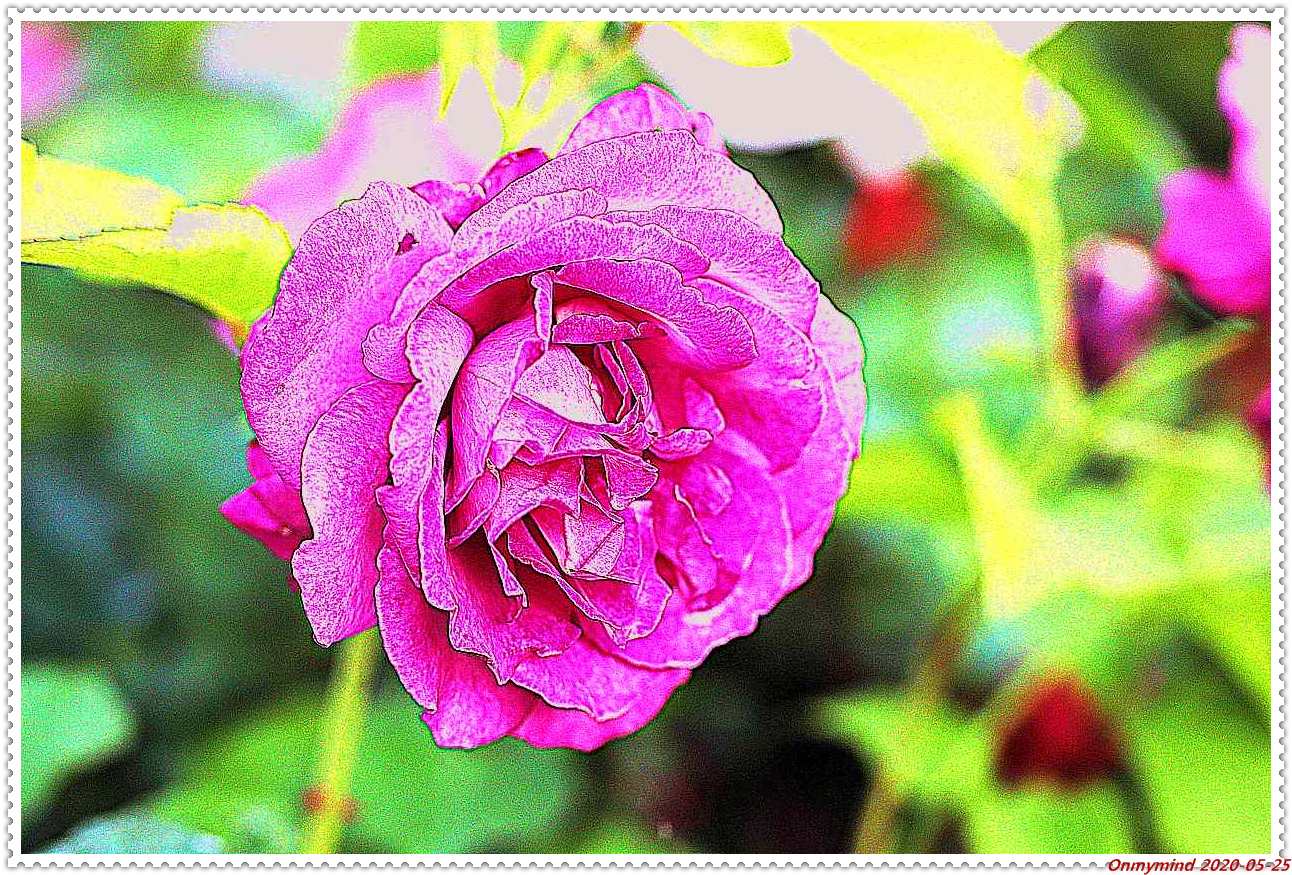
○2020_0525_190546_canon_ct27
○2020_0606_134417_canon_bw25

○2020_0606_191812_canon_ab11

○2020_0606_192940_canon_bw17

○2022_1109_135436_canon_ct9_s12

○2022_0909_150402_canon_bw0_s12

○2022_0909_150126_canon_ab41_s12

○2024_0530_103123_canon_BW25

○2023_0522_151251_nikon_CT28

○2022_0411_155131_canon_BW3_s12
● [pt op tr] fr
_M#]

○2023_0522_153752_canon_AB7
™善現智福 키워드 연결 페이지
https://buddhism0077.blogspot.com/2020/06/keyword.html
○ [pt op tr]
● 집고금불도논형_K1066_T2104 [문서정보]- 일일단상키워드
[#M_▶더보기|◀접기|
[관련키워드]
집고금불도논형 병권 /전체4권
■ 본 페이지 ID 정보
집고금불도논형-K1066-003
https://buddhism0077.blogspot.com/2018/12/k1066-003.html
sfed--집고금불도논형_K1066_T2104.txt ☞집고금불도논형 병권 /전체4권
sfd8--불교단상_2562_12.txt ☞◆vjin7518
불기2562-12-29
ORIGIN: https://buddhism007.tistory.com/entry/불기2562-12-29집고금불도논형003#gsc.tab=0
https://blog.naver.com/thebest007/224141081175
https://sutra007.tistory.com/19
htmback--불기2562-12-29_집고금불도논형_K1066_T2104-tis.htm
● [pt op tr] fr
_M#]