
『불설보현보살다라니경』
K1151
T1127
불설보현보살다라니경 /전체1권
● 한글대장경 해당부분 열람I
● 한글대장경 해당부분 열람II
○ 통합대장경 사이트 안내
○ 해제[있는경우]
● TTS 음성듣기 안내
※ 이하 부분은 위 대장경 부분에 대해
참조자료를 붙여 자유롭게 연구하는 내용을 적는 공간입니다.
대장경 열람은 위 부분을 참조해주십시오.
● 자료출처 불교학술원 기금 후원안내페이지
불기2018-11-15 -- 뽑혀진 대장경 내용 연구
내용 이해가 쉽도록 위 사이트 원 번역문 내용을 단문형태로 끊어 표현을 바꿔 기재한다.
다만, 여건상 일부분만 살피는 경우가 많다.
따라서 작업중 파일을 별도로 만든다.
그리고 클라우드 드라이브 폴더에 보관한다.
그리고 이후 계속 수정보완해가기로 한다.
그리고 완료되면 본 페이지에 직접 붙여나가기로 한다.
작업중인 파일은 다음 폴더 안에서 K1151_T1127_in 파일을 참조하면 된다.
https://drive.google.com
●차후 링크가 변경되어 연결되지 않을 때는 다음 페이지 안내를 참조한다.
buddhism0077
『불설보현보살다라니경』
♣1151-001♧
불설보현보살다라니경 /전체1권
♥아래는 현재 작성 및 정리 중인 미완성 상태의 글입니다♥
[페이지 내용 업데이트 관련 안내]
❋본문
◎[개별논의]
○ [pt op tr]
[#M_▶더보기|◀접기|

○2019_1106_155747_canon_ab2_s12▾화순 계당산 쌍봉사

○2019_1105_161145_canon_AR35_s12▾순천 조계산 송광사

○2019_1201_152444_canon_BW25▾원주 구룡사

○2020_0211_122146_nikon_BW21_s12▾불암산 천보사

○2020_0907_140951_canon_BW17▾양산 통도사

○2020_0909_140752_canon_CT28▾무주 백련사

○2020_0910_131615_canon_ar45▾속리산 법주사

○2020_1002_123329_canon_ct18▾파주 고령산 보광사

○2020_1017_153949_canon_ar1_s12▾삼각산 화계사

○2020_1017_154637_canon_Ab15_s12▾삼각산 화계사

○2018_1023_123020_canon_Ar37_s12▾예산 덕숭산 수덕사

○2018_1023_161118_nikon_ct32▾예산 덕숭산 수덕사

○2020_1114_135536_canon_Ab31▾삼각산 도선사

○2021_1004_220503_nikon_Ab35▾여수_금오산_향일암

○2021_0926_172355_nikon_AR35_s12▾서울_삼각산_도선사

○2021_1004_140754_nikon_Ar26_s12_pc▾산청_지리산_대원사

○2021_1006_143347_nikon_Ab27▾해남_달마산_미황사

○2021_0930_113633_canon_ct28_pc▾삼척_두타산_천은사

○2023_0402_145604_nikon_ab39▾setec_서울국제불교박람회
● [pt op tr] fr
_M#]

○2019_1105_165608_canon_AB7▾순천 조계산 송광사
❋❋본문 ♥
◎[개별논의]
★%★
『불설보현보살다라니경』
♣1151-001♧
불설보현보살다라니경 해제 (있는 경우)
불설보현보살다라니경 001권 요점 핵심

◎◎[개별논의] ♥ ❋본문
★1★
◆vkex1863
| ◈Lab value 202304021456 |
|
Francoise Hardy - Fais-Moi Une Place
♥단상♥ |
|
문서정보 ori https://buddhism0077.blogspot.com/1474/11/k1151-t1127-001.html#1863 sfed--불설보현보살다라니경_K1151_T1127.txt ☞불설보현보살다라니경 /전체1권 sfd8--불교단상_2018_11.txt ☞◆vkex1863 불기2018-11-15 θθ |


■ 퀴즈
○(空)은 없음이 아니다. 집착할 실체가 없고 본 바탕을 얻을 수 없음을 아는 지혜이다.
한문\불교경전한문.txt
답 후보
●
유사어>경천사
유사어>타도
유사어>타도
ॐ मणि पद्मे हूँ
○ [pt op tr]
[#M_▶더보기|◀접기|
■ 음악
Herbert Leonard - Couleur Menthe A L'eau
Alain Souchon - Elle Danse
Jean-Jacques Goldman - Qu'elle Soit Elle
Enrico Macias - La Vie Populaire
Marc Lavoine - Fabrique
Louis Chedid - Solitaire
Michel Polnareff - Dans La Maison Vide
■ 시사, 퀴즈, 유머
뉴스
퀴즈
퀴즈2
유머
■ 한자 파자 넌센스 퀴즈
001▲ 丨亅丿乙乚 ■ 곤궐별을을 1 [ 자유롭게 시로 감상한 내용~~~] ( 뚫을 곤 )( 갈고리 궐 )( 삐침 별 )( 새 을/ 둘째 천간( 天干) 을 ) ( 숨을 을 )
002▲ 一丶凵犭冂 ■ 일주감견경 2 ( 하나 일 )( 점 주 )( 입 벌릴 감 )( 개사슴록변 견 / 개견( -犬) 부수( 部首)의 이체자( 異體字). )( 멀 경 ) 재춘법한자
【 】 ⇄✙➠
일본어글자-발음
중국어글자-발음
■ 영어단어 넌센스퀴즈- 예문 자신상황에 맞게 바꿔 짧은글짓기
■ 번역퀴즈
번역
번역연습(기계적 번역내용 오류수정 연습)
■ 영-중-일-범-팔-불어 관련-퀴즈
[wiki-bud] An Shih Kao
[san-chn] aparijñātatva 不了知
[san-eng] virahitaṃ $ 범어 without
[pali-chn] saddhāvimutta 信解脫
[pal-eng]
[Eng-Ch-Eng] teachings and practices that arise in accordance with the capacity 對根起行法
[Muller-jpn-Eng] 尋言 ジンゴン investigate the words (of the scriptures)
[Glossary_of_Buddhism-Eng] ORAL RECITATION TEN VARIATIONS ☞
See also: Ten Recitations Method.
NB. Please read the entry “Buddha Recitation (Methods)” before the
following excerpts from Buddhism of Wisdom & Faith (Master Thích
Thiền Tâm): “Oral Recitation is the most common Pure Land method
at the present time. However, this method has many variations to
accommodate the circumstances and capacities of the individual. A
few of these variants are summarized below.
1. Reflecting The Name Recitation.
With this technique, the ear catches the sound as the mouth recites,
examining each individual word and each individual phrase, to make
sure they are clear and distinct, phrase after phrase. There are two
ways of hearing, with the ears or with the mind. Although the ears
‘hear deep inside,’ the sounds do not reside anywhere. The practitioner gradually forgets everything inside and out – even body, mind,
realm, time and space – with only the Buddha’s name remaining.
This technique of ‘reflecting the name,’ makes it easy for the cultivator to filter out deluded thoughts and swiftly achieve one-pointedness
of mind. The Surangama Sutra expresses this very idea when it states,
in the words of the Bodhisattva Manjusri: This common method of
concentrating the mind on its sense of hearing, turning it inward…
is most feasible and wise. (Wai-tao, tr. the Surangama Sutra, in
D. Goddard, ed., Buddhist Bible, p.260.)
2. Counting Rosary Beads Recitation.
In this method, as the mouth recites, the hand fingers the rosary. At
first, thoughts are tied to the rosary beads, but later on they gradually
move away from the beads, leading to the state of one-pointedness of
mind. This technique increases the power of recitation in the same way
that a cane enables a mountain climber with weak legs to ascend higher
and higher. With this technique, we should write down the number of
recitations per session or per day. This has the advantage of forcing us
to keep an exact count, eliminating the affliction of laziness. However,
we should take care not to be too ambitious, attempting to achieve too
much too soon, or our recitation will not be clear and distinct. The
ancients, while reciting the Buddha’s name over and over, did so in a
clear, distinct manner thanks to two factors: ‘correct understanding’
and ‘correct concentration of mind.’
3. Breath-by-Breath Recitation.
This technique consists of reciting silently or softly, with each breath,
inhaling or exhaling, accompanied by one recitation of the Buddha’s
name. Since life is linked to breath, if we take advantage of breath
while practicing Buddha Recitation, we will not be apart from Buddha
Amitabha in life, and at the time of death, when breath has stopped,
we will be immediately reborn in the Pure Land. The practitioner
should remember, however, that once he has mastered this technique,
he should recite aloud as well as silently. In this way, the power of
recitation will be strengthened and the will to be reborn in the Pure
Land more easily developed. Otherwise, his resolve will not be earnest
and he might ‘stray’ into the practice of the ‘Five Meditations to calm
the mind’ of the Theravada tradition.
4. Continuously Linked Recitation.
With this technique, the practitioner recites softly, each word following the one immediately before, each phrase closely following the previous phrase… During this practice, through discretion and patience,
there are no empty time frames and therefore ‘sundry thoughts’ cannot intrude. The cultivator’s feelings and thoughts are intense, his
mind and words move boldly forward reciting the Buddha’s name; the
power of right thought embraces everything, temporarily subduing
ignorance and delusive thought. Thus, the light of transcendental
samadhi breaks through and shines forth. From early times, Pure
Land practitioners would avail themselves of this method when their
emotions and thoughts wandered or were in a state of confusion.
5. Enlightened, Illuminating Recitation.
With this technique, the practitioner on the one hand recites the
Buddha’s name and on the other, ‘returns the light’ and illumines
his True Nature. He thus enters into the realm of ultimate transcendental emptiness; what remains is only the consciousness that his
body-mind and the True Mind of the Buddha have become one – allilluminating and all-encompassing. At that time, meditation rooms,
cushions, gongs and all else have disappeared. Even the illusory,
‘composite body’ is nowhere to be found.
6. Bowing To The Buddha Recitation.
This technique consists of making bows as we recite the Buddha’s
name. Either we recite once before each bow or we bow as we recite,
regardless of the number of recitations. The bowing should be supple
yet deliberate, complementing recitation, bowing and reciting perfectly
synchronized. If we add a sincere and earnest mind, body, speech and
mind are gathered together. Except for the words Amitabha Buddha,
there is not the slightest deluded thought. This method has the ability
to destroy the karma of drowsiness. Its benefits are very great, because
the practitioner engages in recitation with his body, speech and mind.
A lay practitioner of old used to follow this method. Each day and
night, he would bow and recite an average of one thousand times.
However, this practice is the particular domain of those with strong
mind-power. Lacking this quality, it is difficult to persevere, because
with extended bowing, the body easily grows weary, leading to discouragement. Therefore, this method is normally used in conjunction
with other methods and is not practiced in exclusivity.
7. Decimal Recording Recitation.
This is the inscription technique of Buddha Recitation, taking each
ten utterances of the Buddha’s name as a unit. Individuals with short
breath spans can divide the ten utterances into two sub-units. (five
utterances each) or three smaller sub-units (two three-utterance units
and one four-utterance unit). One rosary bead is fingered after each
group of ten utterances is completed.
With this practice, the mind must not only recite, it must also remember the number of utterances. In this way, if we are not diligent
we must become so; otherwise, it will be impossible to avoid mistakes.
This technique, in general, is an excellent expedient forcing the cultivator to concentrate his mind and is very effective with those subject
to many errant thoughts. Elder Master Yin Kuang used to recommend it to Pure Land practitioners.
8. Lotus Blossom Recitation.
As he recites, the practitioner contemplates the four colors of the lotus
blossom (blue, yellow, red and white), one color after another without interruption. With his first utterance of the Buddha’s name, he
visualizes a huge, blue lotus blossom before his eyes, emitting a blue
light. With the second utterance, he visualizes a yellow lotus blossom,
emitting a yellow light. The third and fourth utterances are accompanied, respectively, by visualization of red and white lotus flowers,
each color emitting its own light. He then repeats the visualization
in the same sequence. As the flowers appear, he imagines a vague,
lingering touch of pure, soft lotus fragrance. Ancient masters devised
this method because many practitioners in the T’ien T’ai School,
despite using all available techniques, found it difficult to stem their
errant thoughts. This method uses various forms and colors to focus
mind and thought. These forms and colors take the marks of lotus
blossoms in the Seven-Jewel Pond of the Pure Land (‘one utterance
of the Buddha’s name, one jewelled lotus blossom’), because the lotus
blossoms appearing in the Pure Land are inseparable from the lotus
blossoms created by the virtues of the reciting mind. At the time of
death, the mind-consciousness of the practitioner relies on these jewelled lotus blossoms to achieve rebirth in the Western Pure Land. If the
Pure Land cultivator should discover that he has an affinity with this
technique, he should apply it and quickly enter the Wonderful Lotus
Blossom Buddha Recitation Samadhi.
9. Recitation Amidst Light.
This method was specially designed for certain practitioners who, as
soon as they close their eyes to recite, suddenly see filthy forms and
marks (ugly grimacing faces, for example), or dark forms and colors
swirling around. With this technique, the practitioner, while reciting
the Buddha’s name, visualizes himself seated in the middle of an
immense, brilliant zone of light. Within that zone of light, when his
mind has quieted down, the practitioner feels bright and refreshed.
At that time, not only have deluded thoughts been annihilated, but
filthy, evil forms have also disappeared. After that, right thought
is reinforced and samadhi is, in time, achieved. Although this is a
special expedient to destroy evil deluded marks, even the practitioner
who is not in this predicament can apply this method to clear his
mind and enter deeply into the Buddha Recitation Samadhi.
10. Contemplation Of The Buddha Recitation.
The methods of contemplation taught in the Meditation Sutra
are very important and lead to immense virtue, but they are not a
popular expedient for sentient beings in the Dharma-Ending Age.
Nevertheless, since the ancient masters did not wish to see the special
benefits of the meditation method go unused, they selected the easiest
of the Sixteen Contemplations (Contemplation of Amitabha Buddha)
and combined it with Oral Recitation to form the Contemplation of
the Buddha-Oral Recitation technique. (Recitation is predominant,
while contemplation is secondary.) Each day, after reciting the
Buddha’s name, the practitioner reserves a special period of time
for concentrating his mind and contemplating the Embellishments
and Light of Amitabha Buddha. This method is derived from
Contemplation Number Thirteen in the Meditation Sutra, in which
Buddha Amitabha is visualized as some sixteen feet tall and of golden
hue, standing at the edge of the Seven-Jewel Pond. If the practitioner
cannot yet visualize the Seven-Jewel Pond, he can picture Amitabha
Buddha standing before his eyes in a zone of light, in open space, the
left hand held at chest level and forming the auspicious mudra, the
right arm extending downward in the position of ‘welcoming and
guiding.’ To be successful in this meditation, it is necessary, at the
outset, to visualize the body of Amitabha Buddha in general, then
concentrate on the urna (white mark between the eyebrows). This
mark is empty and transparent, like a white gem with eight facets …
The urna is the basic mark among the thirty-two auspicious marks
of the Buddhas. When this visualization is successful, thanks to the
affinity thus created between Amitabha Buddha and the practitioner,
other marks will appear clearly, one after another.
However, to ensure success, the practitioner should read through
the Meditation Sutra, memorizing the thirty-two auspicious marks
of Buddha Amitabha before commencing his practice. With this
method, Buddha Recitation should be primary, because if the practitioner does not succeed at visualization, he can still fall back on
recitation to ensure rebirth in the Pure Land. In truth, however,
recitation aids visualization and visualization complements recitation,
so that these two aspects work in parallel, leading the practitioner
toward the desired goal.
Although this technique is somewhat more difficult than the others,
if it can be accomplished successfully, immeasurable benefits are
achieved. It is therefore described here at the very end, to foster diligent practice.
As stated earlier, these ten variants of Oral Recitation are also the
ten basic techniques to combat the various mental hindrances faced
by Buddha Recitation practitioners. Pure Land books discuss several
dozen variants. However, they are merely techniques using, inter alia,
a loud voice or a low voice, at busy moments or at times of leisure.
They cannot as such qualify as methods of recitation. For this reason,
the author has singled out these ten basic variants of Oral Recitation
to combat the obstructions of drowsiness and mind-scattering. They
are the methods best suited to the majority of today’s practitioners.
The cultivator can try them out and select the one that fits his particular case.”
For details, see also “Ten Recitations Method.” #2000
[fra-eng] testament $ 불어 testament, will
[chn_eng_soothil] 羣迷 All the deluded; all delusions.
[vajracchedikā prajñāpāramitā sūtraṁ] ▼●| वज्रच्छेदिका नाम त्रिशतिका प्रज्ञापारमित |
vajracchedikā nāma triśatikā prajñāpāramitā |
能斷金剛般若波羅密多經
출처 봉선사_범어연구소_현진스님_금강경_범어강의
『능단금강반야바라밀다경』(能斷金剛般若波羅密多經) - 범어 텍스트 vajracchedikā prajñāpāramitā sūtraṁ
♣K0116-001♧
♣K0117-001♧
■ 삼매_게송퀴즈
■ 오늘의 게송
[1일째]
이시 $ 001▲● 십 ○□□,白,諸,阿,世
□□,心王菩薩 白佛言:「世尊!
諸佛如來 演說 阿僧祇 無量、無邊、無等、不可數、不可稱、不可思、不可量、不可說、不可說不可說。
□□, 심왕보살 백불언:「세존!
제불여래 연설 아승기, 무량、무변、무등、불가수、불가칭、불가사、 불가량、불가설、불가설불가설。
爾時,
그 때 심왕(心王)보살이 부처님께 여쭈었다. “세존이시여,
여러 부처님 여래께서는 아승기고, 한량이 없고, 그지없고, 같을 이 없고, 셀 수 없고, 일컬을 수 없고,
생각할 수 없고, 헤아릴 수 없고, 말할 수 없고, 말할 수 없이 말할 수 없음을
연설하시나이다.
[329째]
성취제인불가설 $ 071▲偈羅偈羅為 一 ● 窣步羅, ○□□□□,無,具,住,起
□□□□□□□, 無生法忍不可說,
具足寂靜不可說, 住寂靜地不可說,
□□□□□□□, 무생법인불가설,
구족적정불가설, 주적정지불가설,
成就諸忍不可說,
참는 일 성취함을 말할 수 없고
죽살이 없는 지혜 말할 수 없고
고요함을 갖춘 일 말할 수 없고
고요한 데 머무는 일 말할 수 없고
●K1168_T1126.txt★ ∴≪A불설보현만나라경≫_≪K1168≫_≪T1126≫
●K1151_T1127.txt★ ∴≪A불설보현보살다라니경≫_≪K1151≫_≪T1127≫
●K1467_T0173.txt★ ∴≪A불설복력태자인연경≫_≪K1467≫_≪T0173≫
■ 암산퀴즈
872* 719
107408 / 112
■ 다라니퀴즈
구족수화길상광명대기명주총지 1 번째는?
불정광취실달다반달라비밀가타미묘장구(佛頂光聚悉怛多般怛羅秘密伽陁微妙章句) 0 번대 10개 다라니는?
부처님 108 명호 1 번째는?
01 그 때 지장보살마하살은 곧 자리에 일어나 부처님께 아뢰었다.
“ 대덕(大德) 세존이시여,
저는 마땅히 이 4주(洲) [주-62] 의 모든 세존의 제자인
필추(苾蒭)․필추니(苾蒭尼)․오파색가(鄔波索迦:남자신도)․오파사가(鄔波斯迦:여자신도)를 제도하여
참포, 讖蒱<一>
Ksam bhu,
지장(地藏)
『대승대집지장십륜경』
♣0057-001♧
001 나모사다타소가다야 ◐南牟薩怛他蘇伽哆耶<歸命一切諸佛一>◑Namas tathā-sugatāya
002 아라하뎨삼먁삼몯다야 ◐阿囉訶帝三藐三菩陁耶<歸命一切如來應正等覺二>◑arhate samyaksaṃbuddhāsya//
003 나모살바몯다 ◐娜牟薩婆勃陁<敬禮一切諸佛三>◑Namaḥ sarva buddhāya
004 바디사다볘뱌 ◐勃地薩哆吠弊<歸命菩薩><毘㖿反四>◑bodhisattvebhyaḥ//
005 나모삽다남삼먁삼몯다구티남 ◐娜牟颯哆喃三藐三菩陁俱胝喃<敬禮正遍知五>◑Namaḥ saptānāṃ samyaksaṃbuddha-koṭīnāṃ
006 사시라 바 가싱가남 ◐薩失囉<引>皤<去>迦僧伽喃<敬禮辟支><佛及四果人六>◑sa-śrāvaka-saṃghanāṃ//
007 나모로계아라아다남 ◐娜牟嚧雞阿囉喝哆喃<歸命羅漢等衆七>◑Namo loke arhatānāṃ//
008 나모소로다반나남 ◐娜牟蘇嚕哆半那喃<八>◑Namaḥ srota-apannānāṃ//
009 나모스가리 타 가 미남 ◐娜牟塞羯唎<二合>陁<引>伽<輕去>彌喃<敬禮斯陁含阿那含衆九>◑Namḥ sakridāgāmināṃ//
●“아난아,
이 내 정수리의 광명 덩어리 실달다반달라(悉達多般怛羅) 비밀게송[祕密伽陀]의 미묘한 장구(章句)는
10방의 일체 부처님들을 출생시키느니라.
불정광취실달다반달라비밀가타미묘장구(佛頂光聚悉怛多般怛羅秘密伽陁微妙章句) - 『대불정여래밀인수증요의제보살만행수능엄경』
♣K0426-007♧
001
모든 뜻을 성취하신 이께 귀의[南無]합니다.
南無一切義成就
『불일백팔명찬』佛一百八名讚
♣1183-001♧
626968
959
법수_암기방안
0 배꼽 벨리버튼belly button, 네이블navel, 옴파로스Ompharos 臍 【배꼽 제】
1 빗장뼈[=쇄골]
71 라선[腡선] = 손금선 /또는 갈고리뼈 (=헤이메이트 HAMATE~갈고리뼈]
1 빗장뼈[=쇄골]
1 빗장뼈[=쇄골]
1 빗장뼈[=쇄골]
■ 오늘의 경전 [이야기, 게송,선시 등]
2570_1125_004244 :
대장경 내 이야기
제목 : 12) 석지칭(釋智稱)
지칭의 성은 배(裵)씨이고,
본래 하동(河東)의 문희(聞憙) 사람이다.
위(魏)의 기주(冀州)자사 배휘(裵徽)의 후예이다.
할아버지 대에 난을 피해서 경구(京口)에 임시 머물렀다.
지칭은 어릴 때부터 강개(慷慨)하여,
자못 활쏘기와 말타기를 좋아하였다.
나이 열일곱 살 때 왕현모(王玄謨)와 신탄(申坦)을 따라 북쪽으로 가서 험윤(獫狁)을 토벌하였다.
매양 전투가 벌어져 칼에 피가 묻을 때마다,
마음에 측은한 생각을 품지 않은 일이 없었다.
그 아픔을 자기 몸의 아픔보다 더 깊이 느꼈다.
이에 문득 탄식하였다.
“남을 해쳐서 자신을 구제함은 어진 사람의 뜻이 아니다.”
일이 안정되자 갑옷을 벗었다.
우연히 『서응경(瑞應經)』을 읽고는 곧 깊이 느끼고 깨달았다.
‘사람의 백 년은 기약할 수 없는 것이며,
나라와 성(城)이 중한 것이 아니로구나.’
곧 남간사(南澗寺) 선방에 있는 승종(僧宗)에게 투신하여,
5계 받기를 청하였다.
전송의 효무제(孝武帝)가 한때 익주(益州)의 앙(仰)선사가 서울로 내려온 것을 맞이하여 공양한 적이 있다.
지칭은 곧 뜻을 모아 그에게 귀의하였다.
앙선사도 도탑게 그를 상대하고 대접하였다.
앙선사가 문강(汶江)으로 돌아가자,
그를 따라 노닐며 거슬러 올라갔다.
촉(蜀)의 배사(裵寺)에서 출가하고,
앙선사를 스승으로 삼았다.
이때 나이는 36세이다.
오로지 율부에 정진하여 『십송률』을 크게 밝혔다.
또한 『소품경』 1부를 외웠다.
그 후 동쪽 강릉으로 내려가,
은(隱)ㆍ구(具) 두 스승으로부터 다시 선과 율을 전수받았다.
의가(義嘉)가 난리를 일으킨 때를 만나,
곧 자리를 옮겨 서울에 머물렀다.
그러다가 흥황사(興皇寺)에서 율을 강의하는 법영(法穎)을 만났다.
지칭은 겉에 나타나지 않거나,
가까이 하기에 너무나 먼 것에 대해,
의견을 물어 결정 할 때면,
말하는 것마다 중심을 찔렀다.
그러니 자리에 함께 한 사람들이 놀라고 감탄하지 않음이 없었다.
정림사(定林寺)의 법헌(法獻)과는 강석에서 서로 만났다.
법헌은 그의 문답이 맑고 깊이 있음을 들었다.
곧 손잡고 산사에 머물렀다.
이에 『소품경』을 복습하여 외우고,
율을 닦아 구축하였다.
그 후 여항(餘杭) 보안사(寶安寺)의 석승지(釋僧志)가 초청하였다.
그러자 지칭은 고향으로 돌아와 『십송률』 강석을 열었다.
운서사(雲栖寺)에서 다시 허리를 굽혀,
사주(寺主)가 되어 주기를 청하였다.
지칭은 마침내 그 소임을 받아들였다.
얼마 되지 않는 시간이지만,
그의 기준들을 들어올려 법으로 내보였다.
얼마 후 서울로 돌아왔다.
문선왕이 보홍사(普弘寺)로 초청하여 율을 강의하게 하였다.
수백 명의 승려가 모두들 책을 잡고서 뜻을 이어받았다.
지칭은 집을 떠나 도에 들어와서는,
번다하게 쌓이는 일을 버리려 애썼다.
항상 경조사(慶弔事)와의 인연을 끊고서 인간관계를 두절하였다.
집안 어른들의 흉한 부고[凶故]가 있을 때마다,
계율을 지키고 슬픔을 절제하였다.
오직 도 닦기를 더욱 부지런히 힘썼다.
그로써 일년 상[朞功之制]을 마쳤다.
주방(朱方)의 사문 혜시(慧始)가 지칭을 초청하였다.
고향으로 돌아가 강설하였다.
그러니 친척과 마을의 옛 친구들이 모두 와서 문안하였다.
모두에게 정중하게 훈육하여,
효도와 자애할 것을 당부하였다.
이별에 즈음하여서는 눈물을 흘리며 울었다.
마을 사람들이 굳게 만류하였다.
그러나 그곳에 머물지 않았다.
서울로 돌아와 안락사(安樂寺)에서 쉬었다.
항상 법륜을 굴려서,
율장의 대본을 30여 차례 두루 강의하였다.
북제의 영원(永元) 2년(500)에 세상을 마쳤다.
그때 나이는 72세이다.
『십송의기(十誦義記)』 여덟 권을 지었다.
세상에 성행한다.
그의 제자 승변(僧辯) 등이 안락사에 비를 세웠다.
■ ∙총(聰)ㆍ초(超)
지칭의 제자 가운데,
총ㆍ초 두 사람이 가장 율장에 뛰어나,
문도들이 손을 모아 읍하였다.
출전:
한글대장경 K1074_T2059
고승전(高僧傳) 양 혜교찬
高僧傳 【梁 慧皎撰】
출처 불교기록문화유산아카이브 통합대장경
https://kabc.dongguk.edu/m
■요가자세 익히기
요가_풀무 호흡
●세계사이트방문일자: 불기 2570-04-04-토
♡대한불교능인종 백연암,경남 진주시, 의병로121-1
[사진]
[지도내 사진]
[거리뷰1] https://naver.me
https://naver.me
https://naver.me
[세계내-위치] https://kko.to
https://kko.to
[설명 1]
[설명 2]
[동영상 1]
[동영상 2]
[음악]
[예술작품감상] Beati Possidentes(가진 자에게 복이 있음)/아돌프 멘젤/날짜: 1888/스타일: 비더마이어/시리즈: 그림/장르: 풍속화
https://www.wikiart.org
002 아라하뎨삼먁삼몯다야 ◐阿囉訶帝三藐三菩陁耶<歸命一切如來應正等覺二>◑arhate samyaksaṃbuddhāsya//

○2019_1106_111917_canon_ar38▾화순 영구산 운주사

○2019_1106_115401_canon_ar42_s12▾화순 영구산 운주사
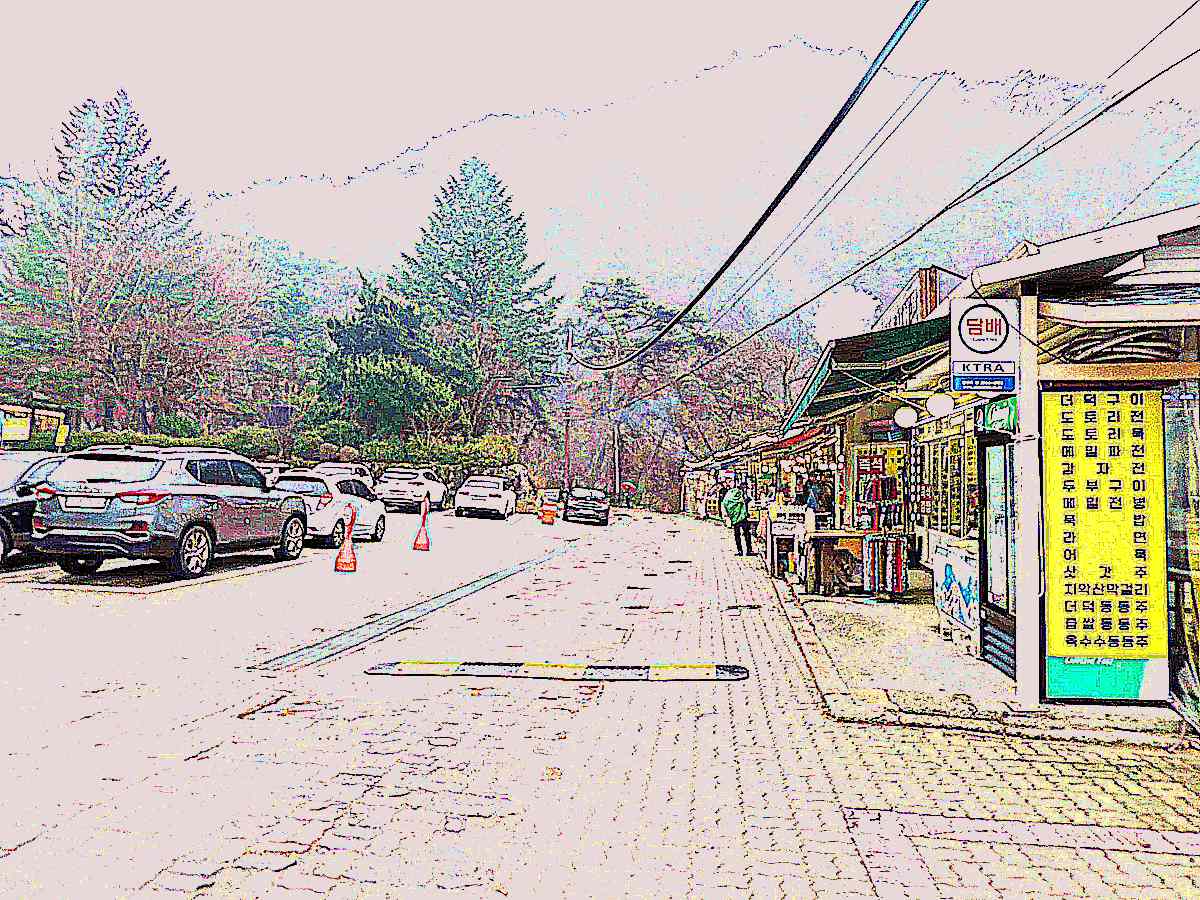
○2019_1201_151304_nikon_CT27▾원주 구룡사

○2019_1201_163433_nikon_fix▾원주 구룡사

○2020_0211_134839_canon_CT28▾불암산 천보사

○2020_0907_153440_nikon_ct32▾양산 통도사

○2020_0907_153130_canon_BW25▾양산 통도사

○2020_0910_142633_canon_BW28▾속리산 법주사

○2020_1002_124946_nikon_CT38_s12▾파주 고령산 보광사

○2020_1017_153543_canon_Ar37▾삼각산 화계사

○2020_1017_160812_canon_AB7▾삼각산 화계사

○2019_1104_131317_canon_Ab35▾구례 화엄사 연기암

○2019_1104_161512_nikon_ar7_s12▾구례 쌍계사부근

○2021_1008_153400_nikon_Ar28_pc▾계룡산_신원사

○2021_0217_103750_nikon_BW17▾서산_운산면_마애삼존불

○2021_1112_173129_canon_Ab27▾setec_서울국제불교박람회

○2021_1002_125054_canon_ab46_pc▾영천_팔공산_은해사

○2021_1003_111005_nikon_CT38_s12_pc▾밀양_재악산_표충사

○2021_0929_115357_canon_Ab31_s12_pc▾양양_오봉산_낙산사
● [pt op tr] fr
_M#]

○2020_0907_142103_nikon_AB7▾양산 통도사
™善現智福 키워드 연결 페이지
https://buddhism0077.blogspot.com/2020/06/keyword.html
○ [pt op tr]
● 불설보현보살다라니경_K1151_T1127 [문서정보]- 경전논의 키워드
[#M_▶더보기|◀접기|
[관련키워드]
불설보현보살다라니경 /전체1권
■ 본 페이지 ID 정보
불설보현보살다라니경_K1151-T1127-001
https://buddhism0077.blogspot.com/2018/11/k1151-t1127-001.html
sfed--불설보현보살다라니경_K1151_T1127.txt ☞불설보현보살다라니경 /전체1권
sfd8--불교단상_2018_11.txt ☞◆vkex1863
불기2018-11-15
ORIGIN: https://buddhism007.tistory.com/5247
htmback--불설보현보살다라니경_K1151_T1127_불기2018-11-15-tis.htm
수정편집일 불기2570-11-25
● [pt op tr] fr
_M#]
댓글 없음:
댓글 쓰기
What do you think is the most important?
Do you know why this is the most important?